Featured
Topic Overview
Updated Jul. 14, 2026

Data
Updated Oct. 1, 2026

Data
Updated Oct. 14, 2026
AI chips are the specialized hardware behind modern AI, designed to handle the massive computational demands of training and running advanced models. They are at the center of a global competition for compute, with performance improving rapidly and demand surging. Epoch tracks trends in AI chip performance, energy efficiency, and price-performance over time, as well as the supply chain dynamics and geopolitical factors shaping who has access to the most advanced hardware.
Our open database of AI chip sales, using financial reports, company disclosures, and more to estimate compute, power usage, and spending over time for a wide variety of AI chips.
We present key data on over 170 AI accelerators, such as graphics processing units (GPUs) and tensor processing units (TPUs), used to develop and deploy machine learning models in the deep learning era.
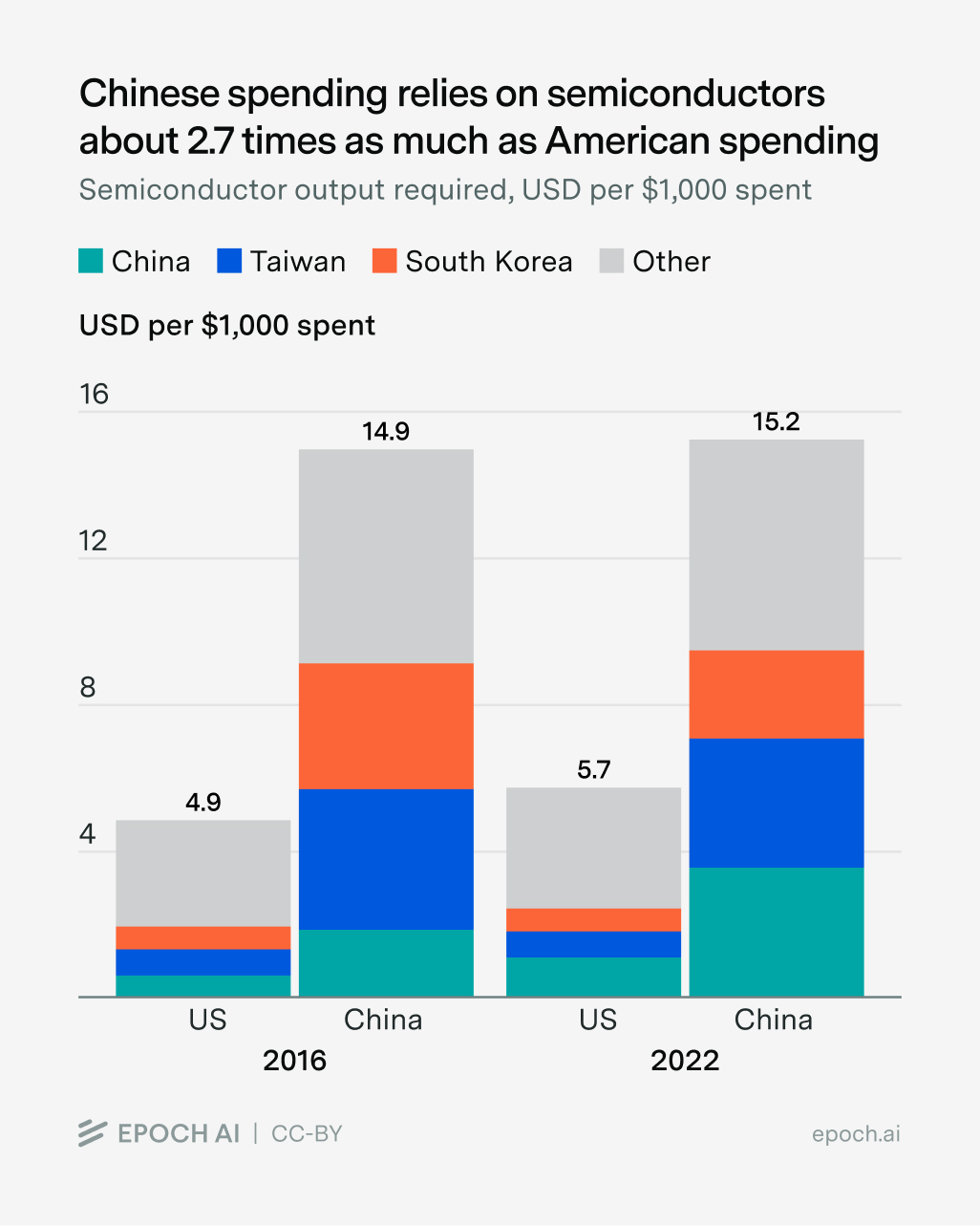
China is 2.7× as exposed to semiconductor supply shocks as the US, Epoch AI estimates. Epoch traces chips through input-output tables to model the impact of a Taiwan shock and decoupling.
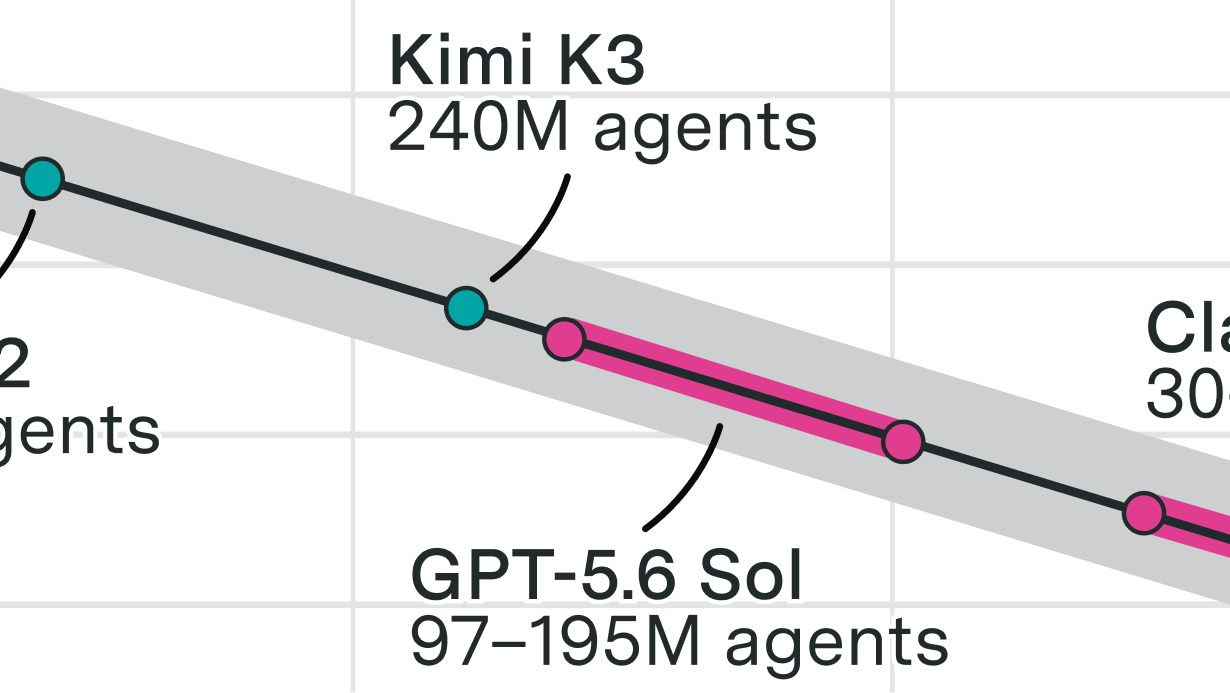
Memory shipped through 2027 could run 33–171 million concurrent frontier-model agents, or billions using efficient open models. Epoch AI estimates inference capacity from HBM supply, serving benchmarks, and agent-hour costs.

Our estimates of how much computing power the leading AI developers rent or use, measured in Nvidia H100-equivalents (H100e).
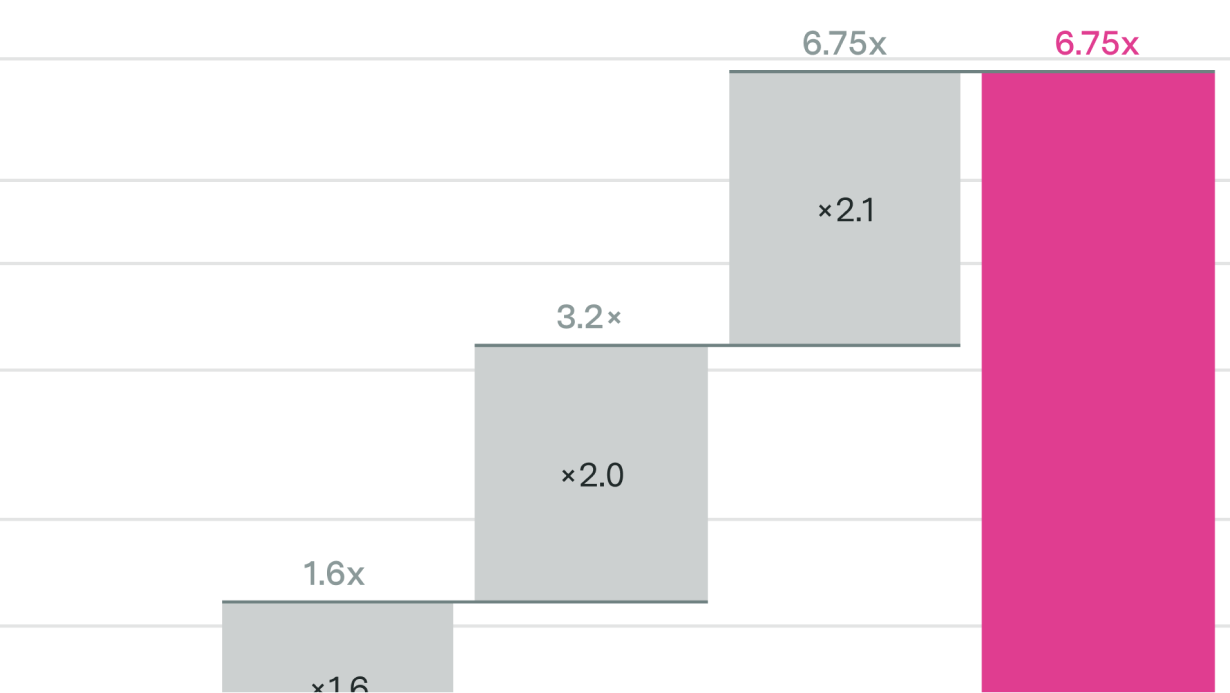
Huawei plans major gains in AI chip performance by 2030, but US export controls cap its most important scaling levers. Epoch AI estimates Huawei will produce less than 4% as much AI compute as Nvidia in 2026, a share that could be around 1% by 2028 without access to foreign memory.
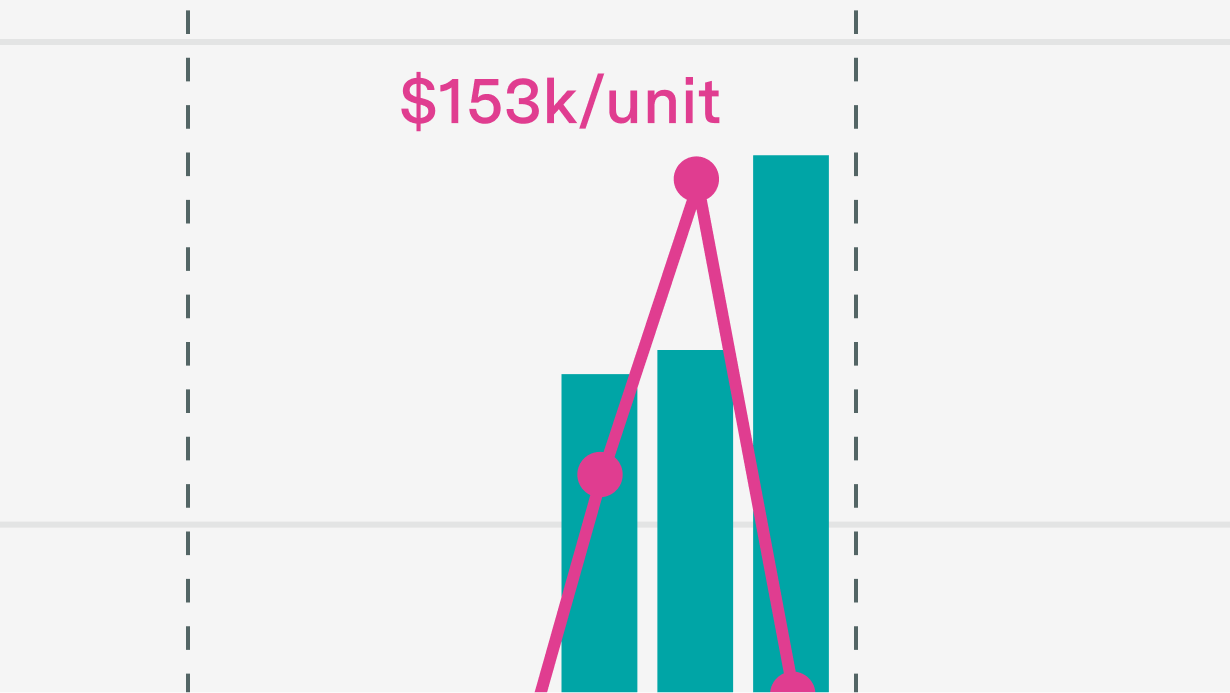
Epoch AI's analysis of trade data finds a pattern consistent with $3B worth of chips smuggled to China via Malaysia. China recorded $3.8B of server imports from Malaysia in 2024–25; Malaysia recorded only $0.6B of exports.
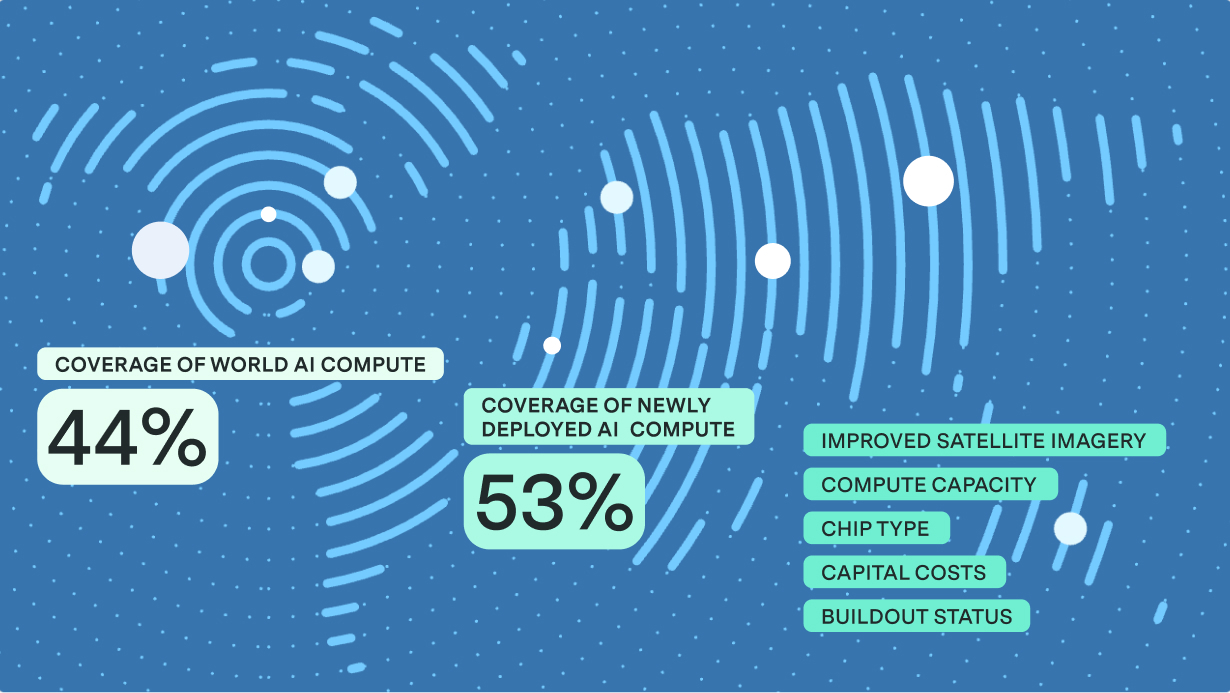
Epoch AI's AI Data Centers explorer now covers an estimated 44% of global AI compute across 86 sites, with a redesigned interface and expanding global coverage.

A first look at Epoch AI's data on compute usage across five leading labs.

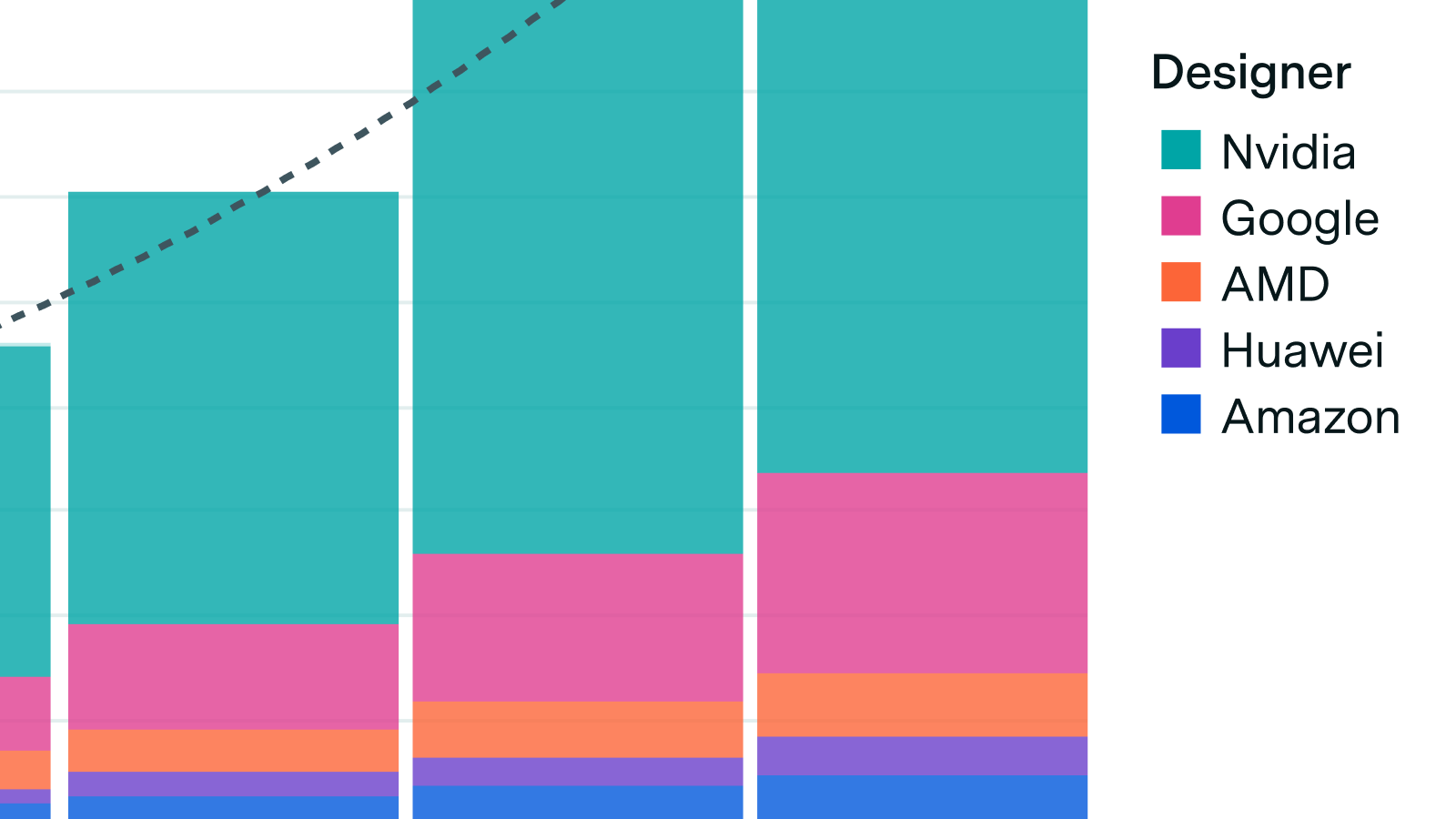
Our estimates of how much advanced logic wafer capacity, CoWoS packaging, and HBM memory leading AI chip designers consumed.