Featured

Topic Overview
Nov. 4, 2025
Data
Updated Oct. 14, 2026
Data Insight
Nov. 19, 2025
Training and running frontier AI models requires enormous physical infrastructure: warehouses packed with specialized chips consuming as much power as small cities. The largest are being built at extraordinary speed, going from empty land to operational in under two years. Using satellite imagery and permit data, Epoch tracks the scale and growth of AI data centers and supercomputers, from build times and costs to compute capacity and power demands.
Open database of AI data centers using satellite and permit data to show AI compute, power use, and construction timelines.
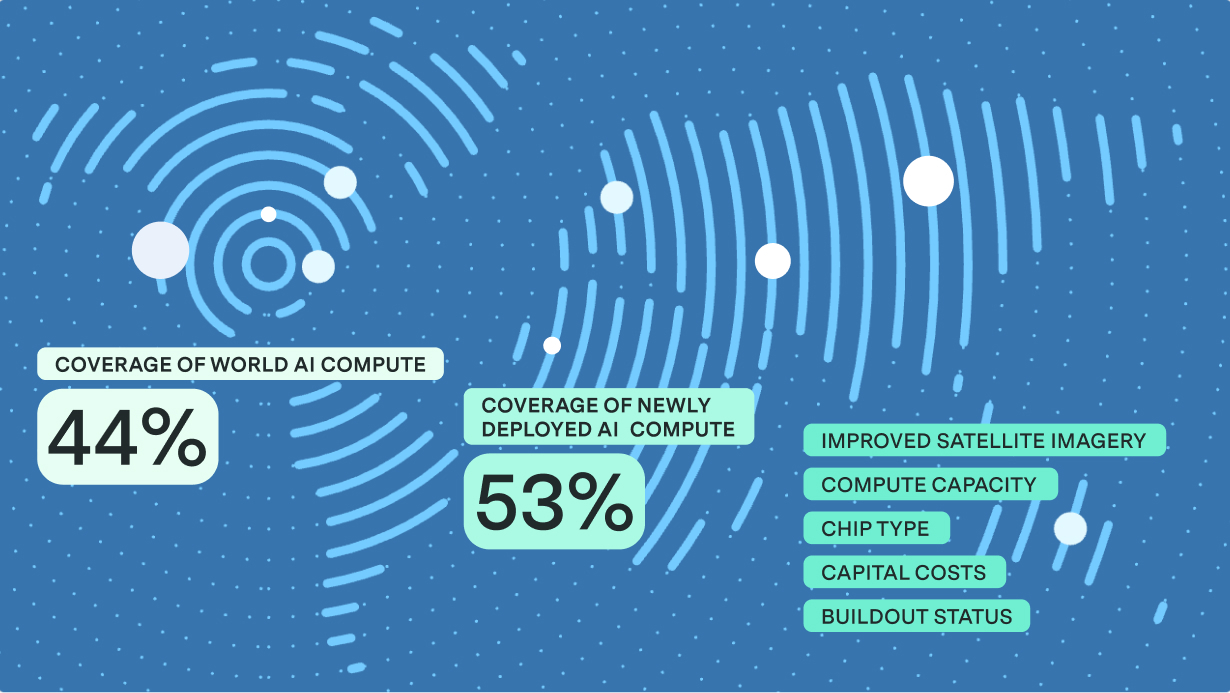
Epoch AI's AI Data Centers explorer now covers an estimated 44% of global AI compute across 86 sites, with a redesigned interface and expanding global coverage.
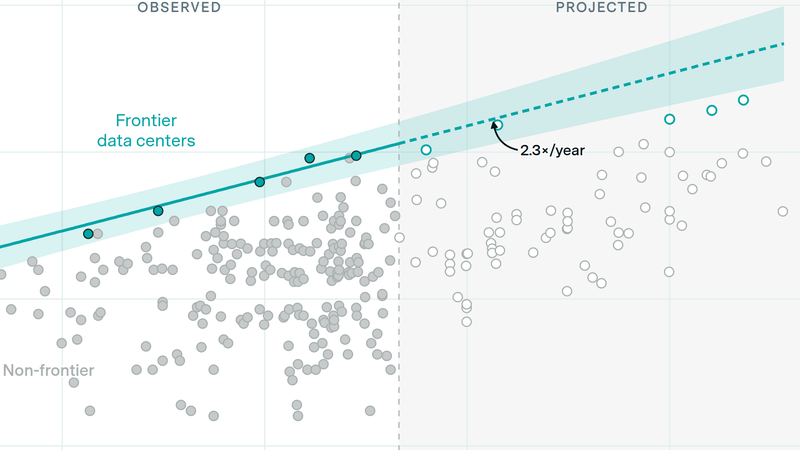
Since mid-2024, the record for the largest AI data center by IT power capacity has doubled every ten months. Epoch AI's analysis of frontier data center power trends through 2028.
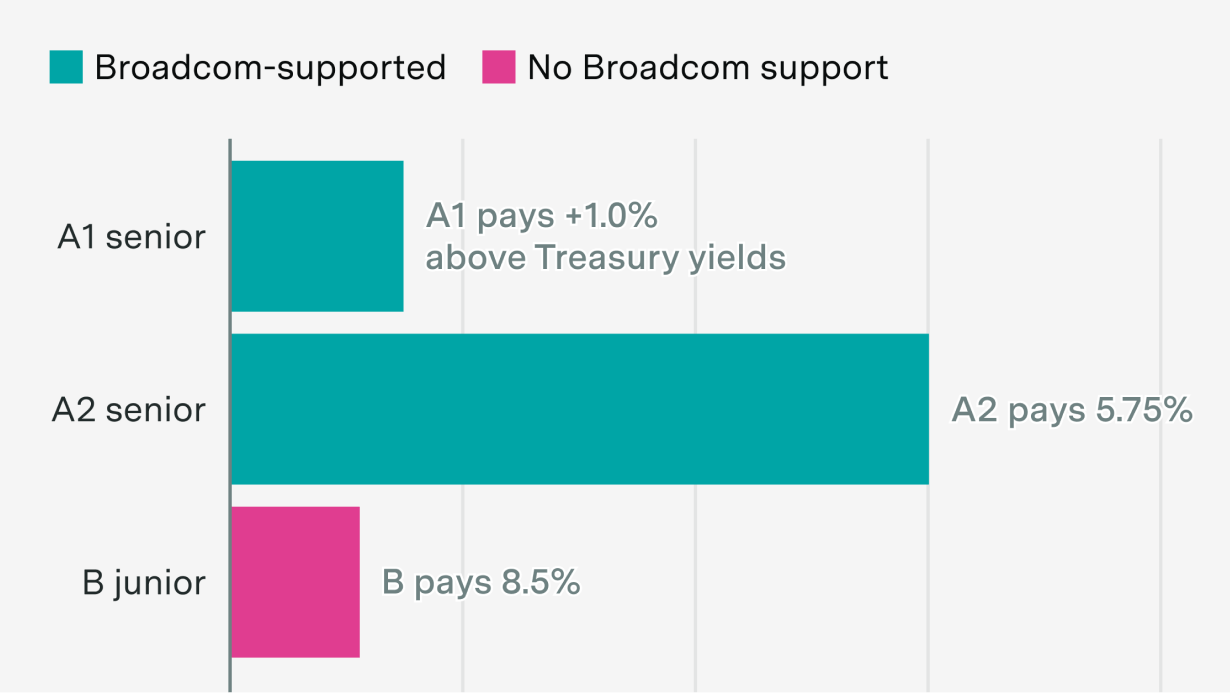
Why Anthropic's buildout suggests that financing is unlikely to be the immediate blocker to frontier AI compute growth.
AI compute draws tens of gigawatts globally—comparable to New York state—yet a single chatbot query uses less than a microwave in 10 seconds. Epoch AI's guide to AI energy use, from training to inference to local grid impacts.
Our database of over 500 GPU clusters and supercomputers tracks large hardware facilities, including those used for AI training and inference.
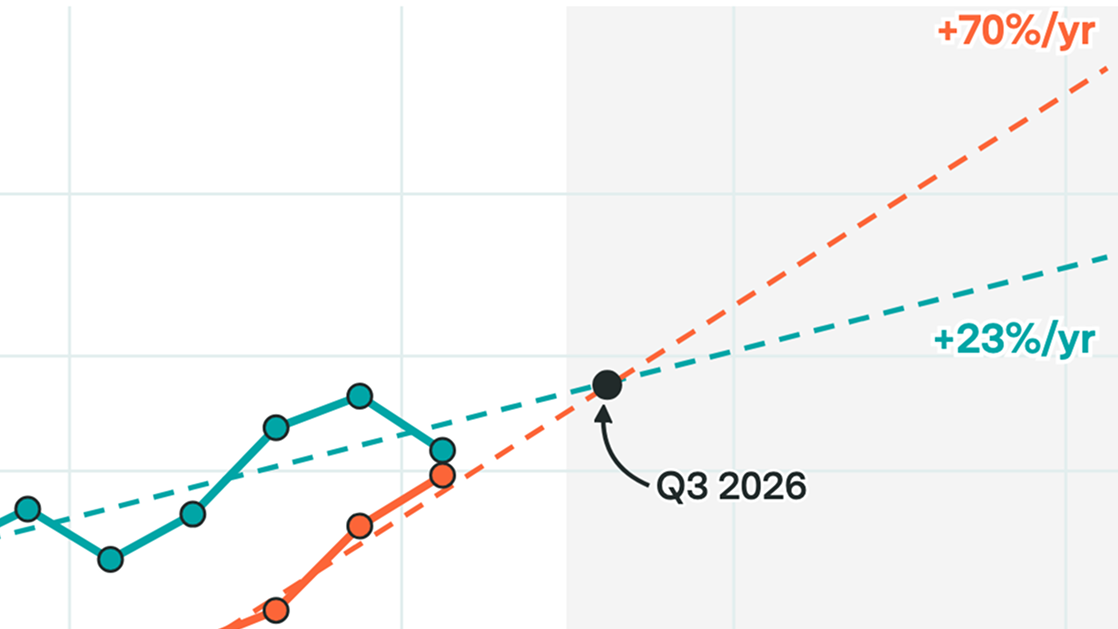
Aggregate cash capex across Microsoft, Amazon, Alphabet, Meta, and Oracle is on track to overtake operating cash flow in Q3 2026. Epoch AI's breakdown of how hyperscalers are financing the AI buildout.
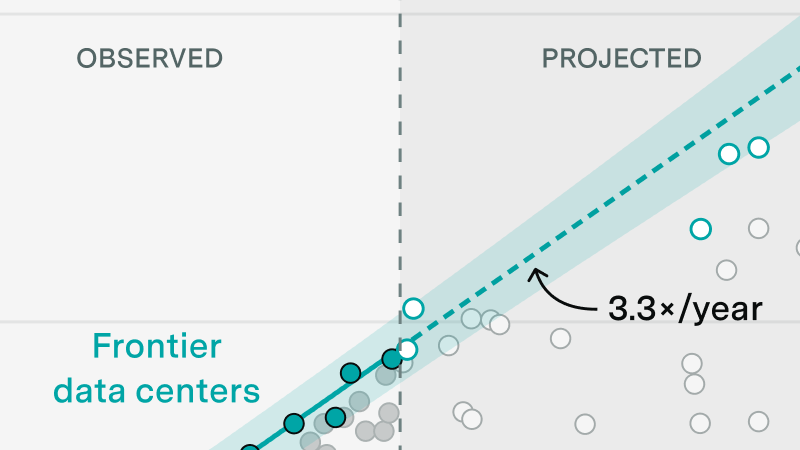
Since Colossus 1 launched in August 2024, the record for the largest AI data center has doubled every seven months. Epoch AI's breakdown of single-site compute capacity trends through 2028.
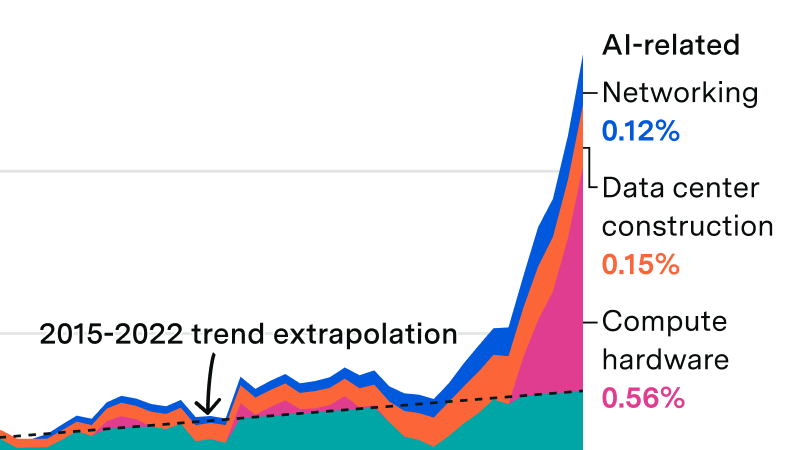
Investment spending on AI data centers, hardware, and networking together amounted to 1.4% of US GDP in Q1 2026, up from 0.7% — a rapid rise driven by AI infrastructure that has made the buildout a leading driver of growth in US private investment.
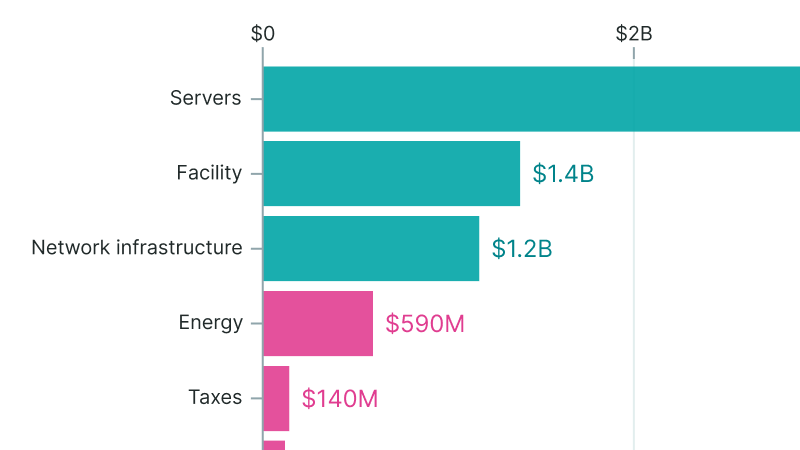
A typical one-gigawatt AI data center requires $38 billion in up-front capital expenditure (CapEx) and $0.9 billion in annual operating expenses (OpEx).