Featured
Data
Updated Aug. 14, 2026
Newsletter
Jul. 17, 2025
Newsletter
Feb. 6, 2026
AI tools now reach hundreds of millions of people, but reliable data on who is using them and how remains scarce. Who is using AI, how, and for what? These questions only grow more important as AI capabilities advance faster than benchmarks can measure. Epoch tracks this through original polling and research, examining how AI is being adopted, what is driving or limiting uptake, and how access to frontier capabilities is changing.
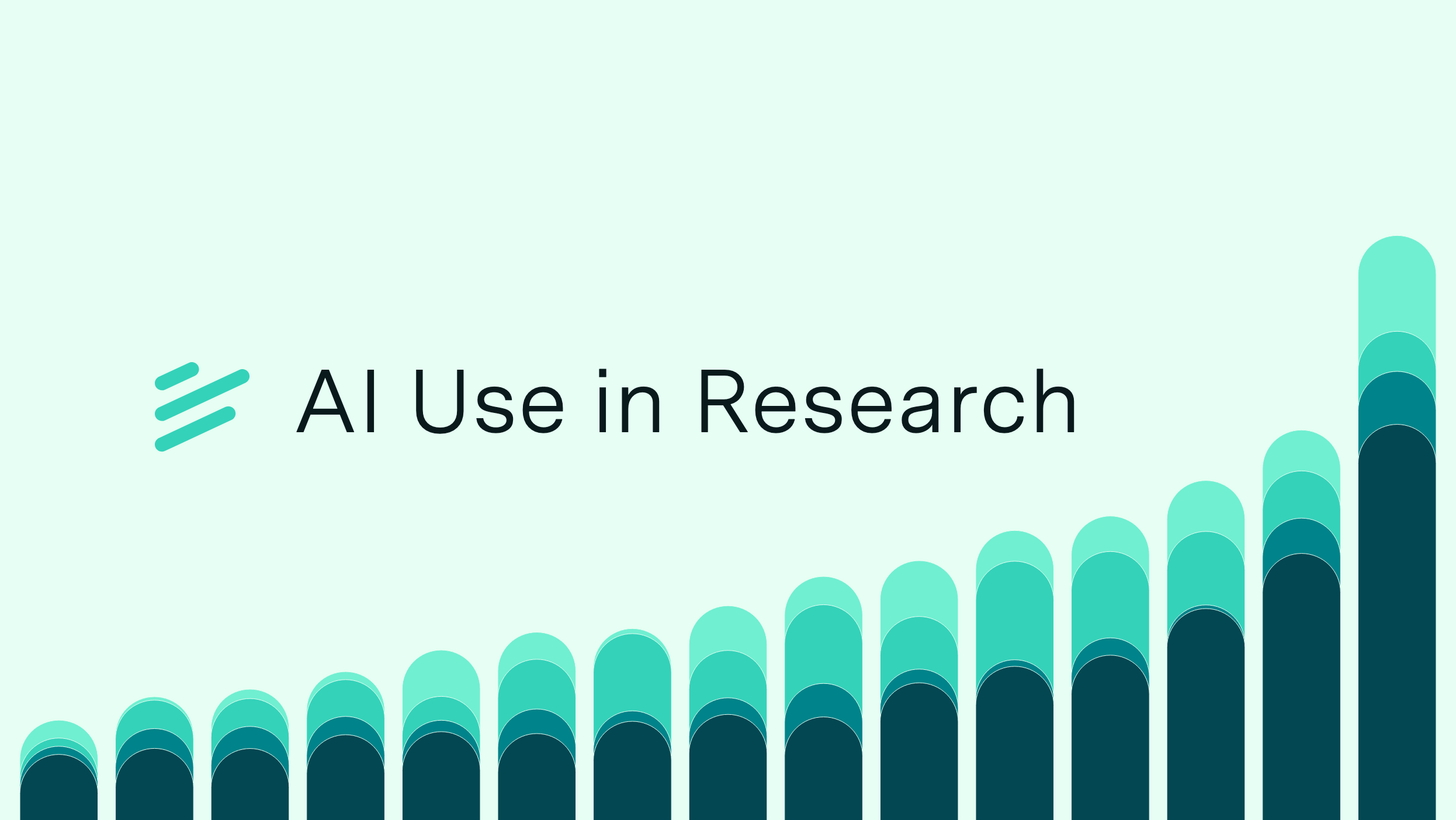
Our estimates of the share of papers acknowledging large language model use in physics, biology, statistics, and math.
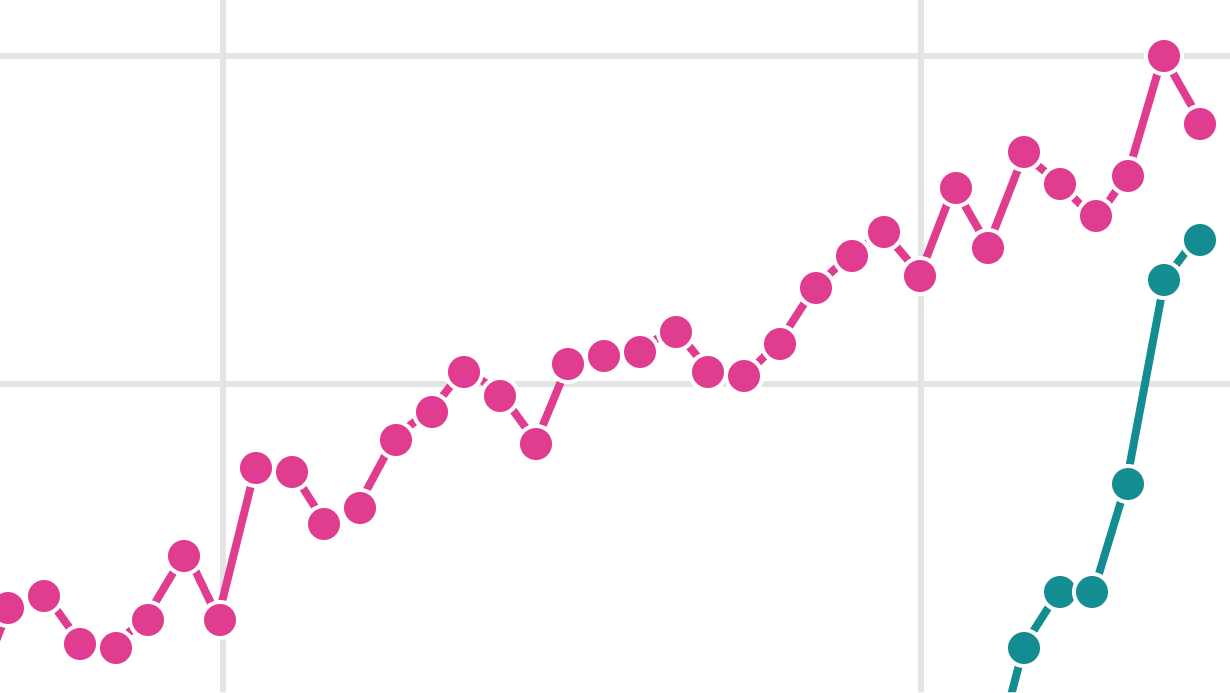
17% of biology preprints acknowledge LLM use, nearly matching specialized tools like AlphaFold. Epoch AI analyzes trends in AI acknowledgment in research.
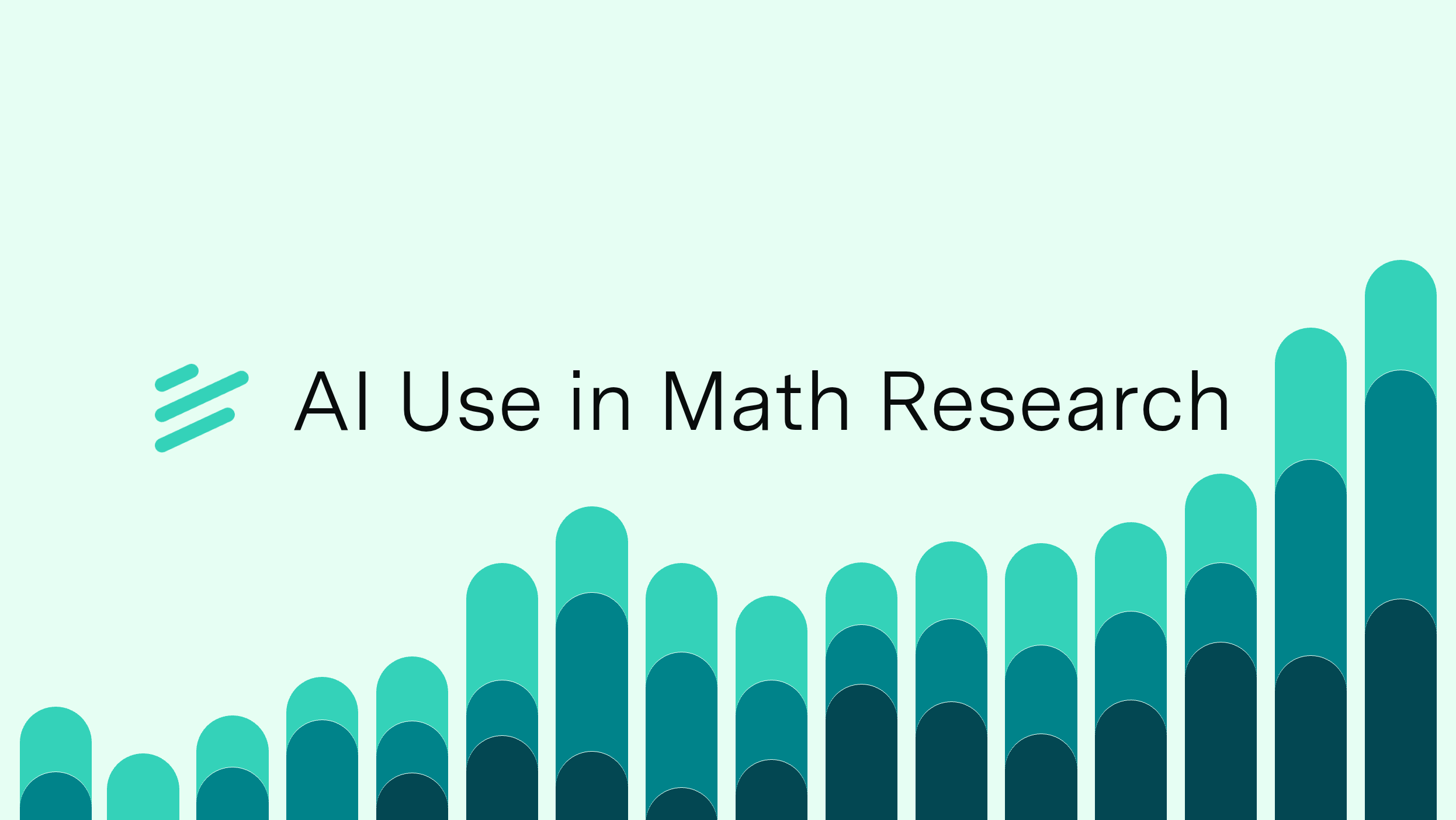
Our estimates of the number and types of AI use acknowledgments in math research papers submitted to arXiv, obtained by having AI models analyze the full text of preprints that mention AI.
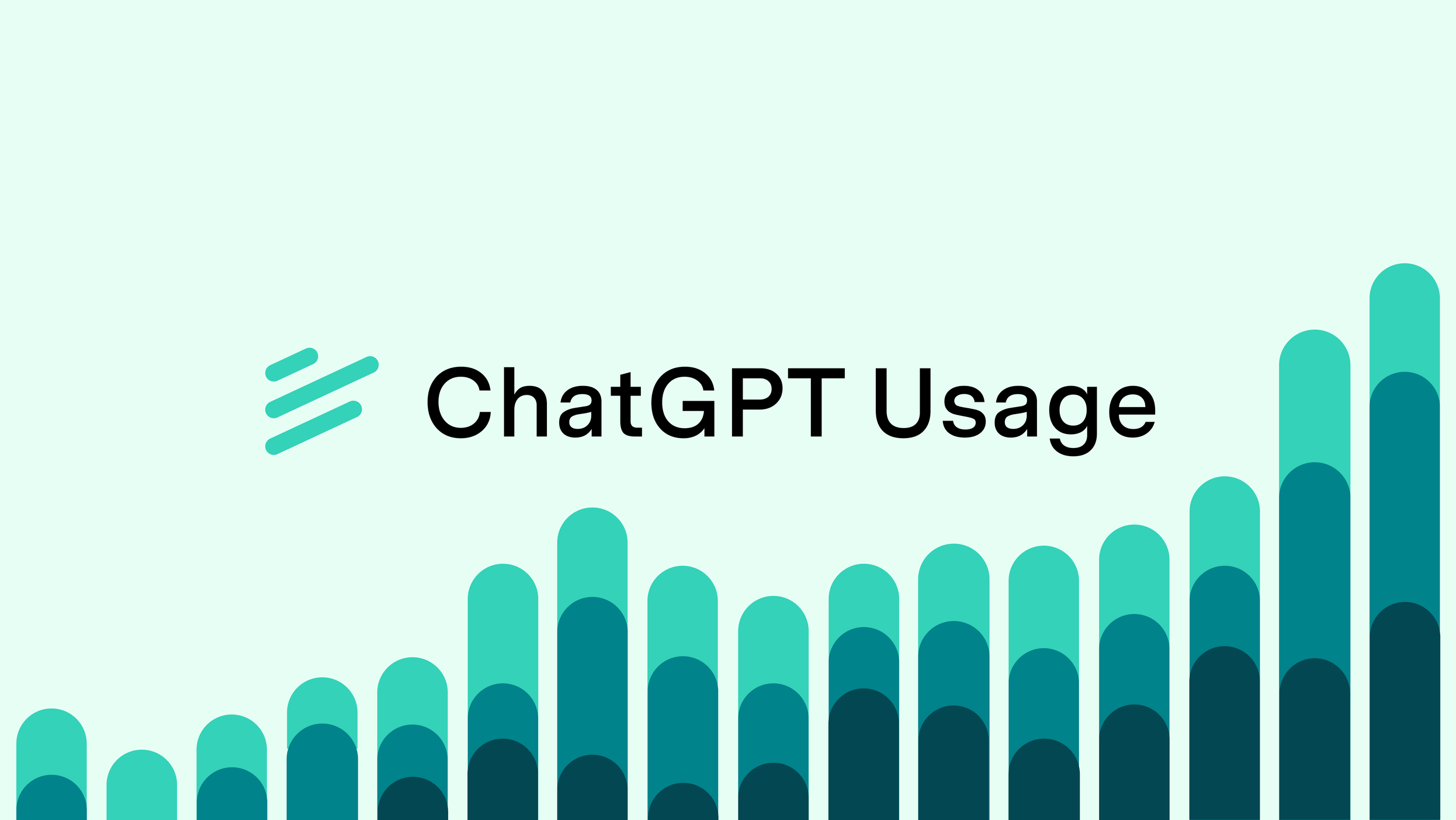
Recorded ChatGPT activity from December 2022 to December 2025 among 5,000 US YouGov panelists who used ChatGPT in 2026 and shared their histories.
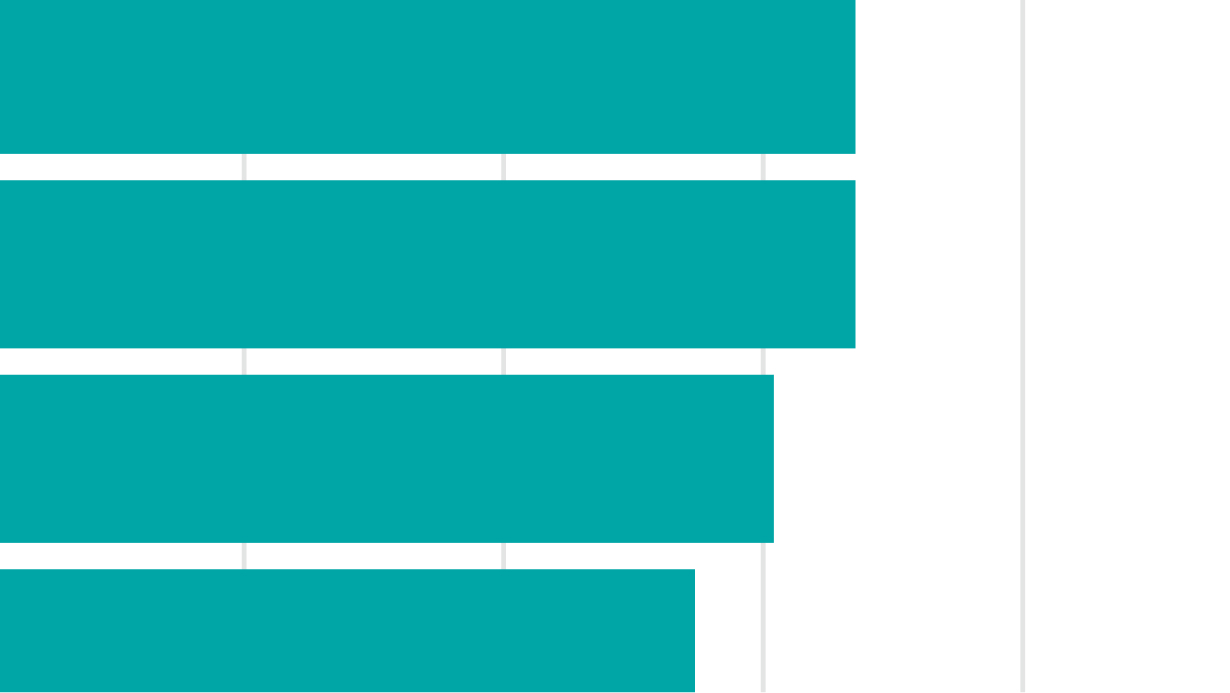
Frontier models can handle well-defined tasks reliably, but fail in the more open-ended aspects that prevent full work automation. Explore Epoch AI's Automation Reports: realistic, open-ended tasks taken directly from our work, manually graded by our own standards.
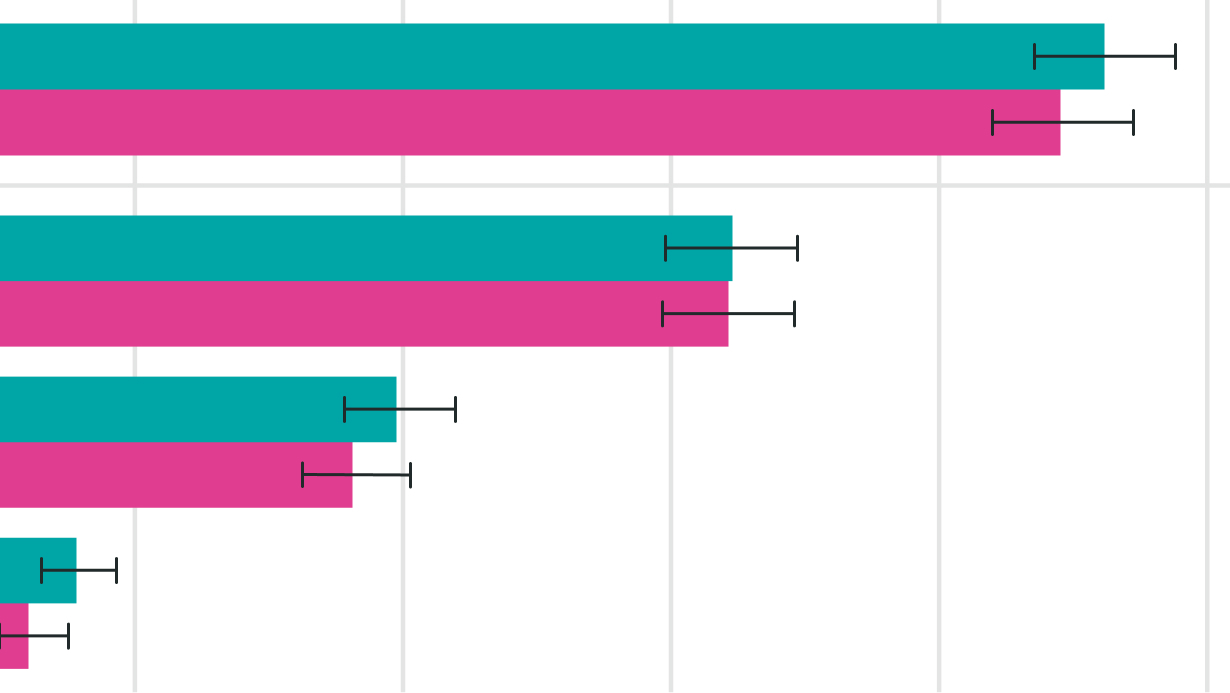
June and September polls from Epoch AI/Ipsos show no detectable increase in the share of US adults experiencing cyber incidents
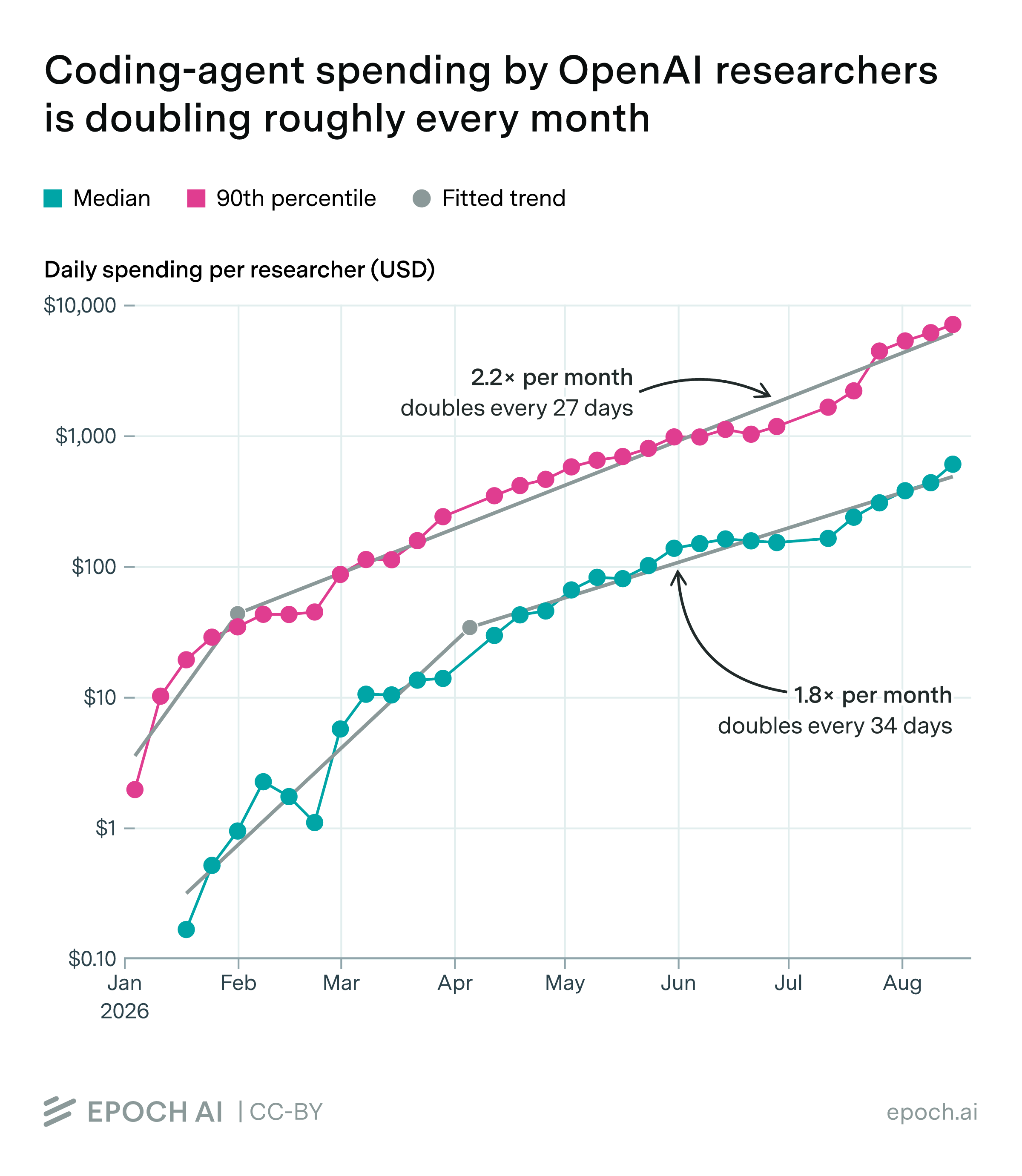
OpenAI researchers’ coding-agent usage, valued at API prices, has recently been doubling roughly every month, according to breakpoint fits.
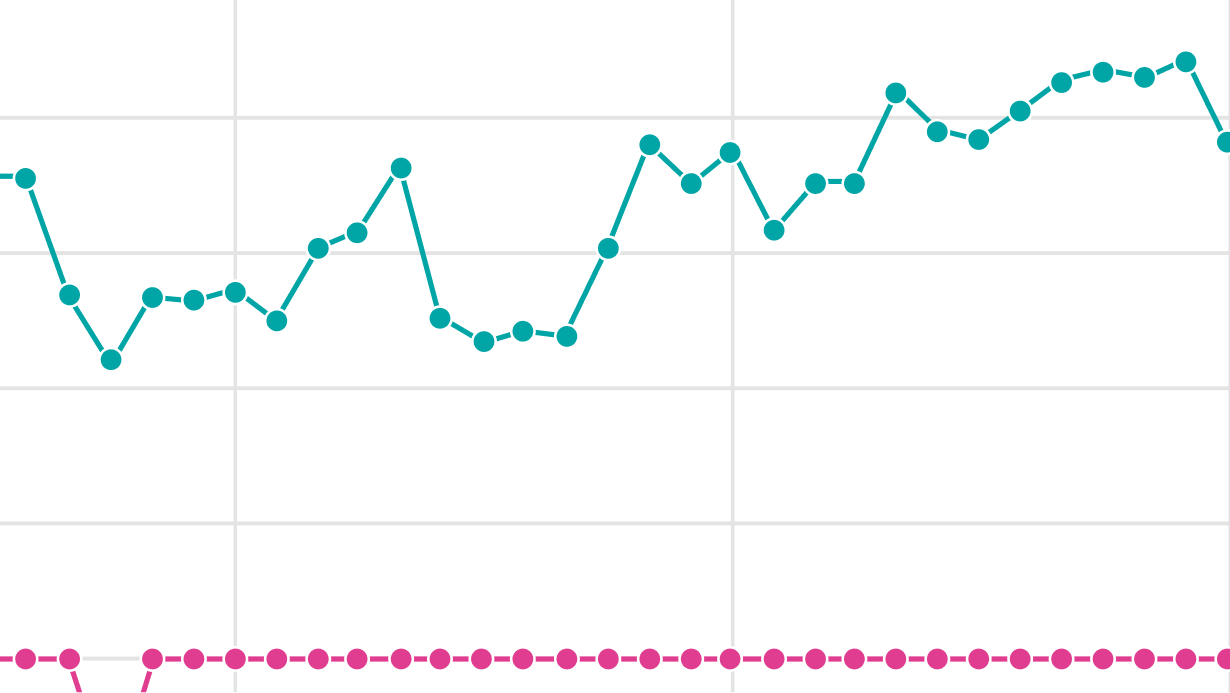
Median monthly messages per active user rose from 14 in 2023 to 36 in 2025, and the top 10% of users sent 63% of all prompts. Epoch AI's ChatGPT usage explorer draws on 8.3 million messages from 5,000 US YouGov panelists.
Tracking how employed Americans use AI at work, across demographics.
Tracking adoption and usage patterns, across demographics. Ipsos survey of 2,021 US adults (March 3-5, 2026).