

A first look at Epoch AI's data on compute usage across five leading labs.
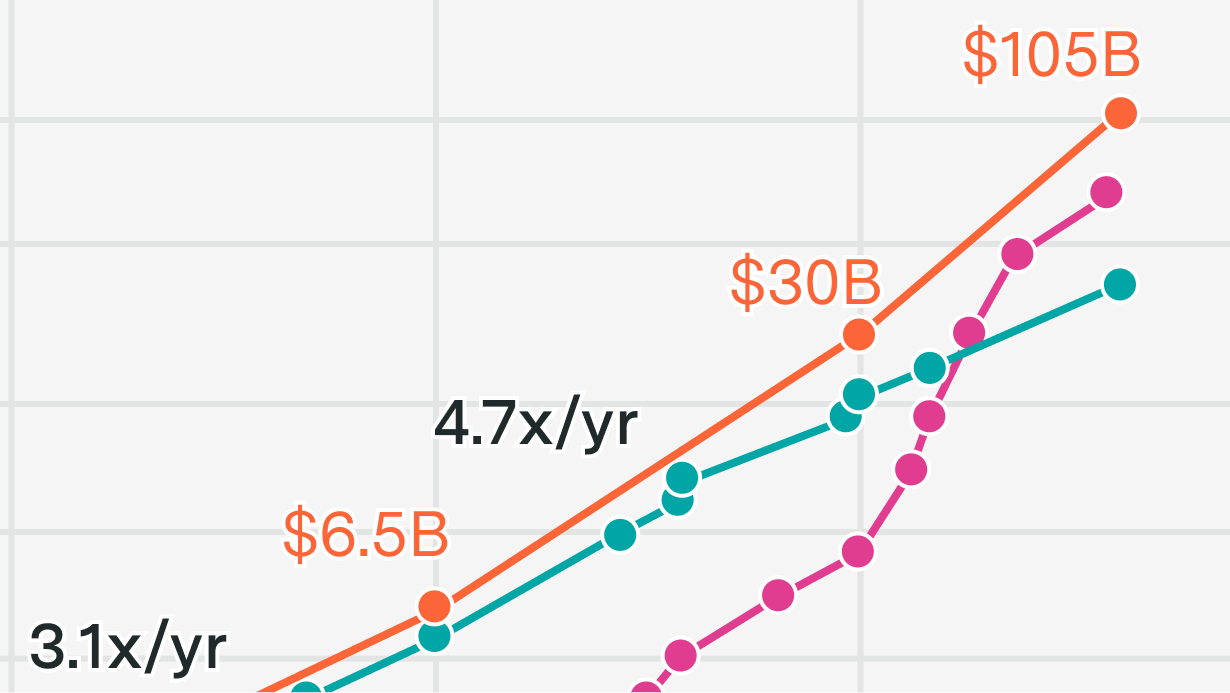
How quickly are Anthropic and OpenAI growing their revenue?
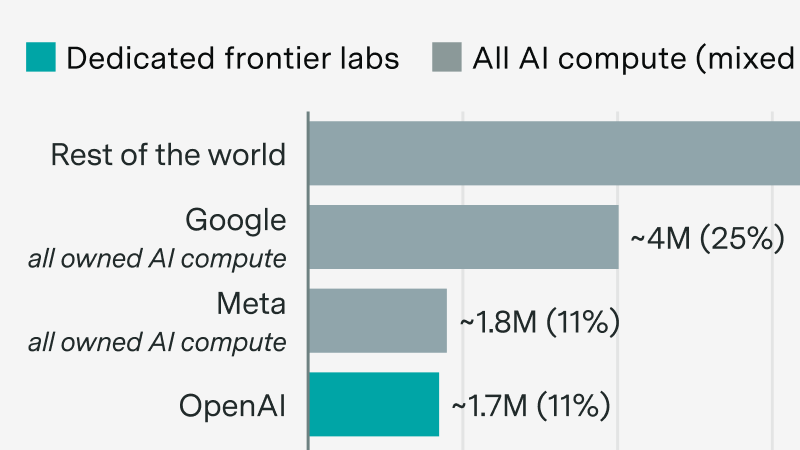
OpenAI, Anthropic, and xAI used just 20-30% of global AI compute in 2025, despite launching the AI boom. Epoch AI's analysis of frontier lab compute allocation and growth trajectories through 2027.
Amazon, Google, Meta, Microsoft, and Oracle collectively hold an estimated 71% of the world's cumulative AI compute as of Q4 2025, up from 63% in Q1 2024.
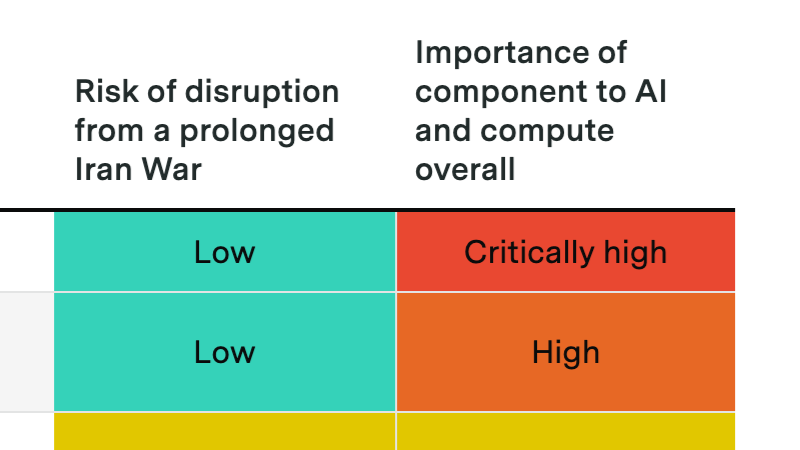
A prolonged Hormuz crisis probably won't derail the compute buildout, but it could slow data center expansion and disrupt Gulf investment flows into AI.
We estimate Google is the largest single owner of AI compute, holding about one quarter of global cumulative capacity as of Q4 2025, primarily from its own custom TPU chips.

We announce our new AI Chip Owners explorer, showing which companies own the world’s leading AI chips.
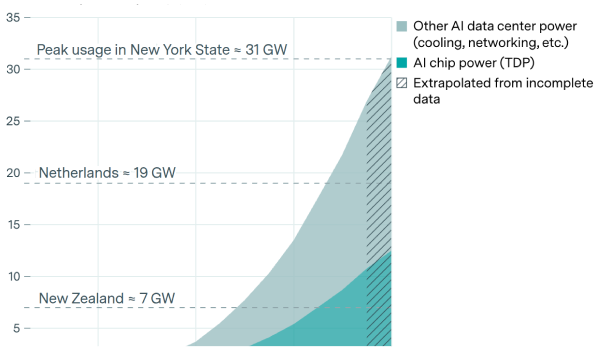
Total AI data center power capacity reached approximately 30 GW in the last quarter of 2025—comparable to peak power usage in New York State, and outstripping many developed countries.
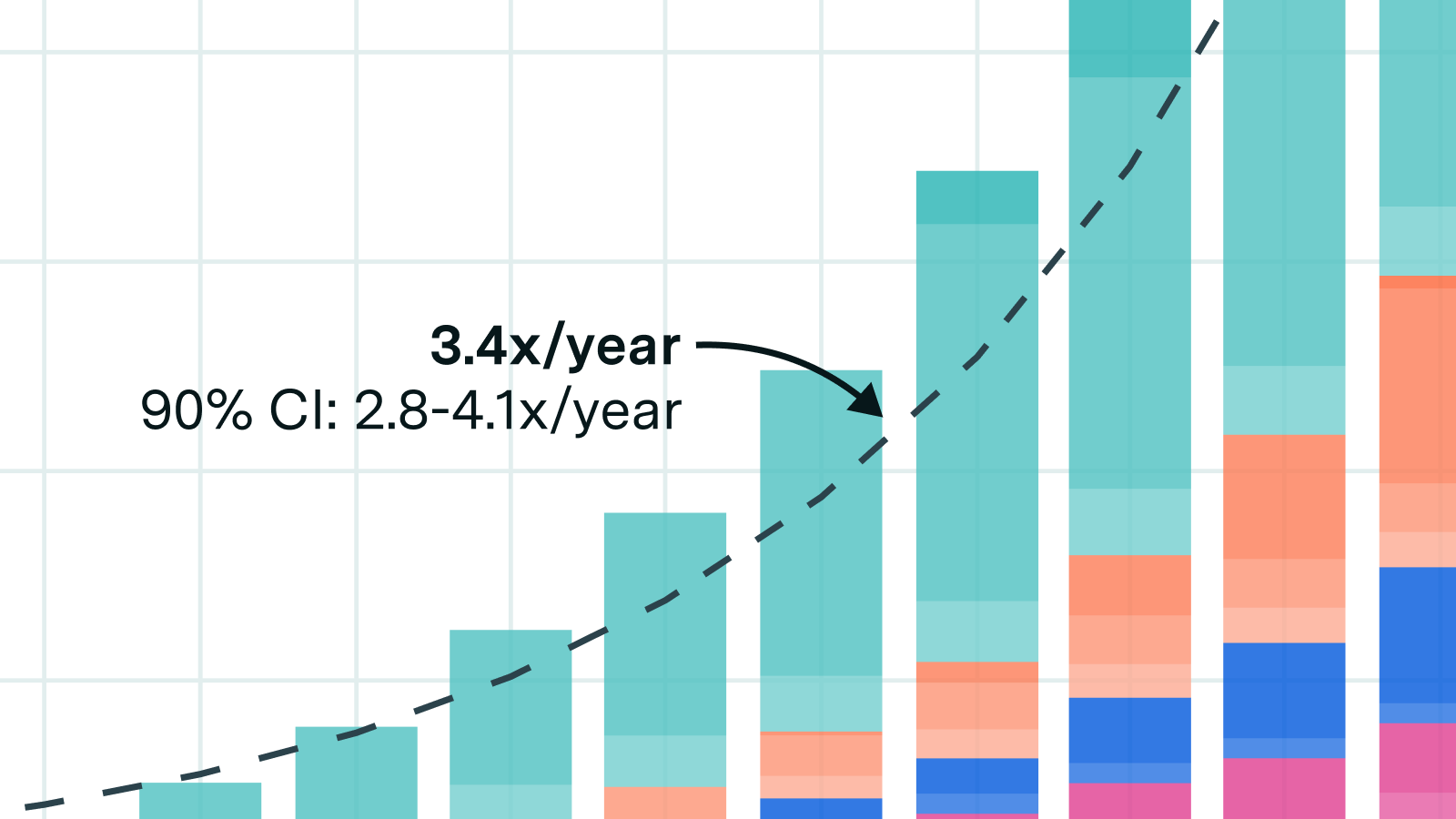
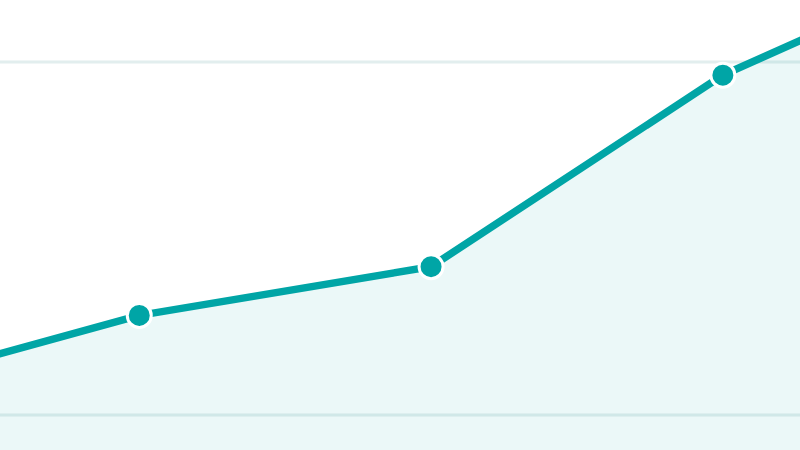
Total available computing capacity from AI chips across all major designers has grown by approximately 3.3x per year since 2022, enabling larger-scale model development and consumer adoption.
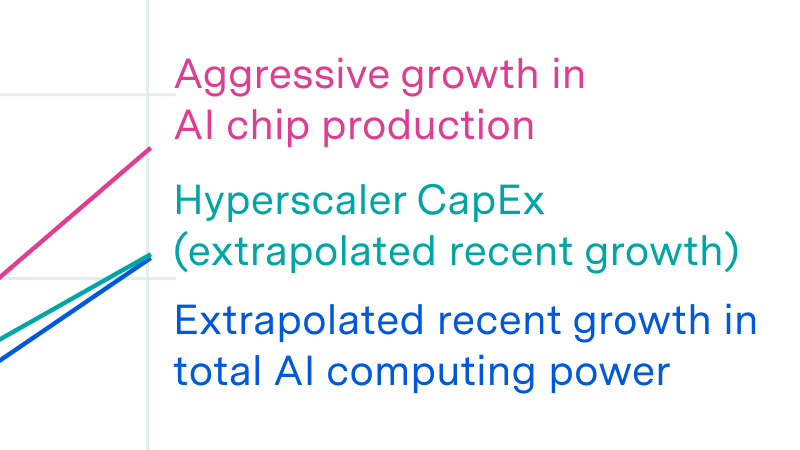
Why power is less of a bottleneck than you think.