Featured
Report
Aug. 20, 2024

Report
Sep. 16, 2025
Report
Feb. 10, 2026
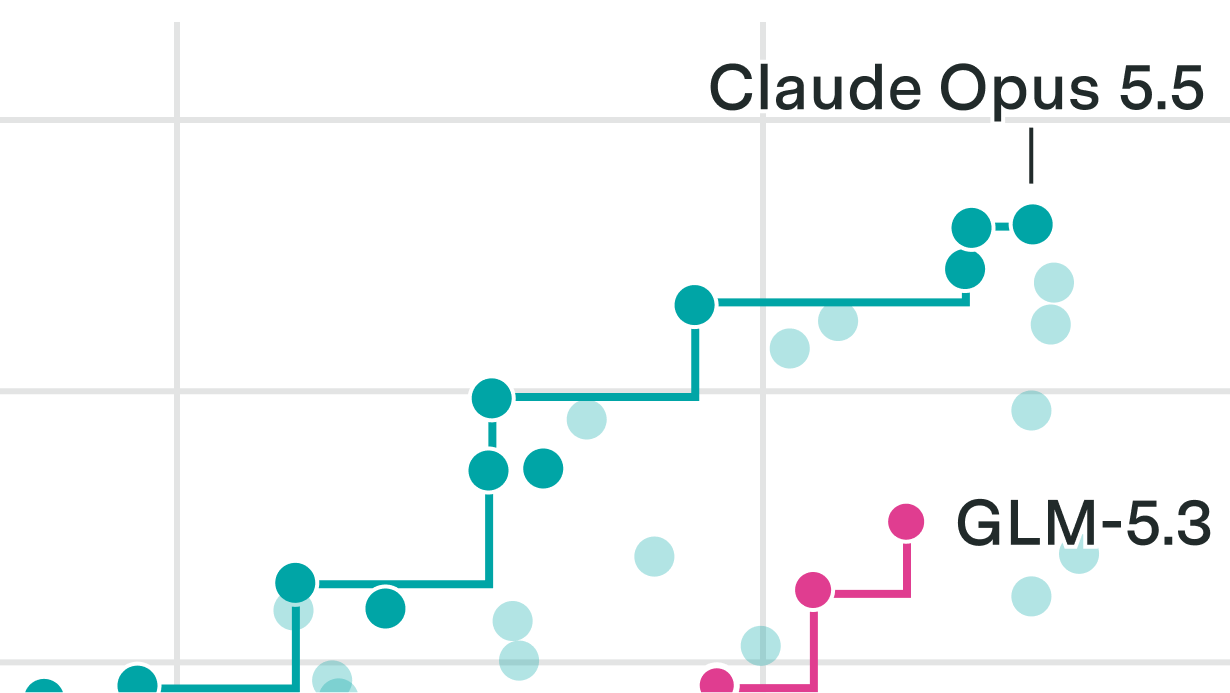
Z.ai’s GLM-5.3 is the top open-weight model on Epoch’s Cyber ECI, scoring where the closed-weight frontier stood 6–7 months earlier.
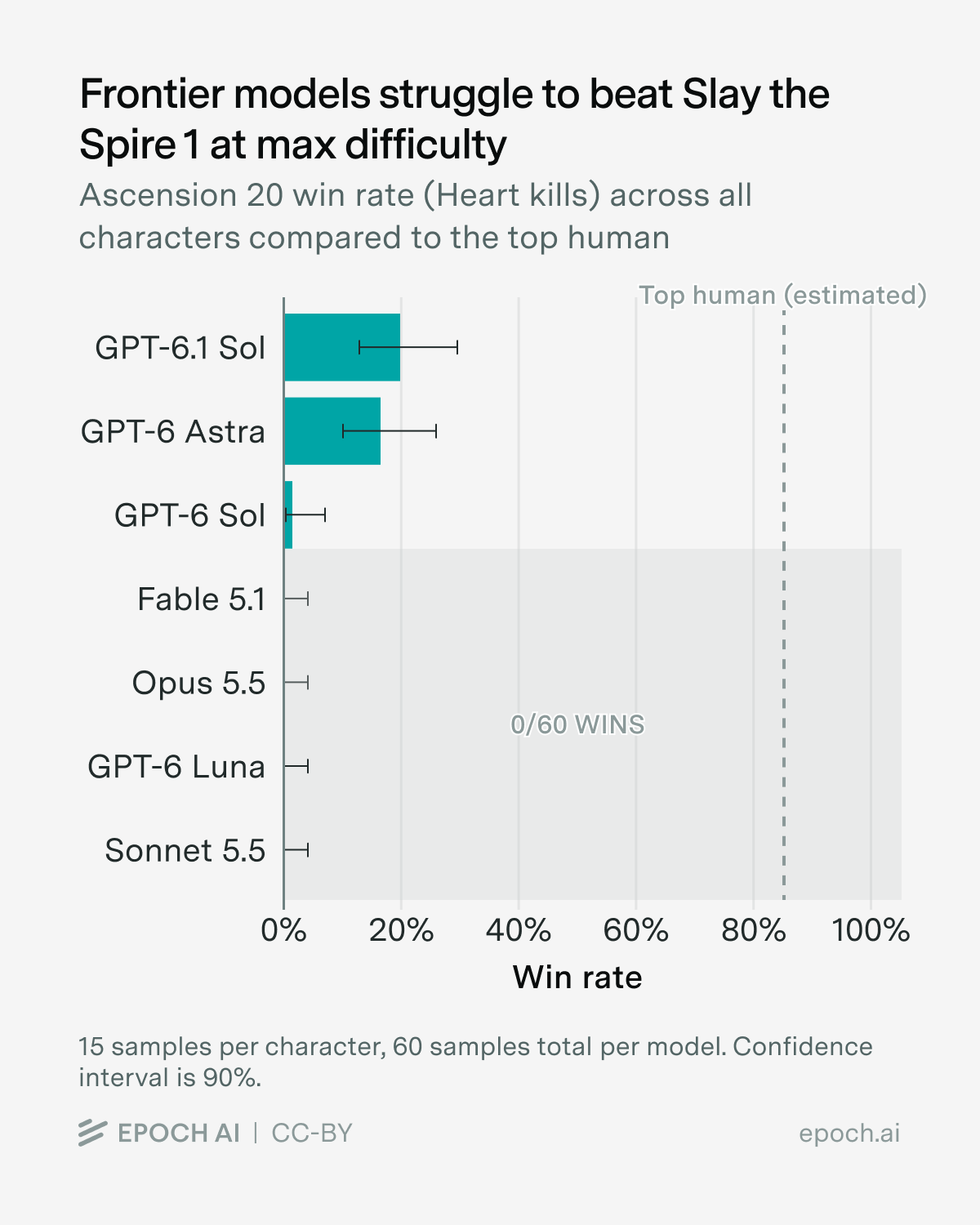
Months ago, frontier models could barely beat Slay the Spire. Now they win 90%+ at the easiest setting and up to 20% at the hardest. Results from Epoch AI’s new SpireClimb benchmark.

Frontier models can handle well-defined tasks reliably, but fail in the more open-ended aspects that prevent full work automation. Explore Epoch AI's Automation Reports: realistic, open-ended tasks taken directly from our work, manually graded by our own standards.
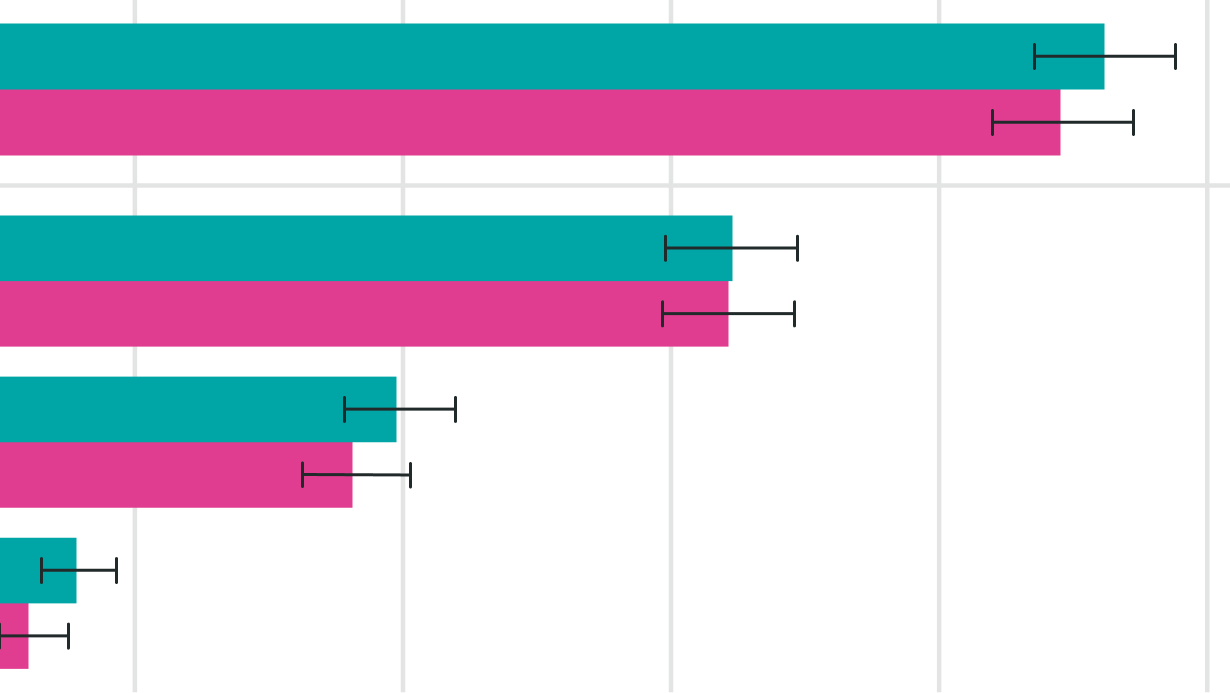
June and September polls from Epoch AI/Ipsos show no detectable increase in the share of US adults experiencing cyber incidents
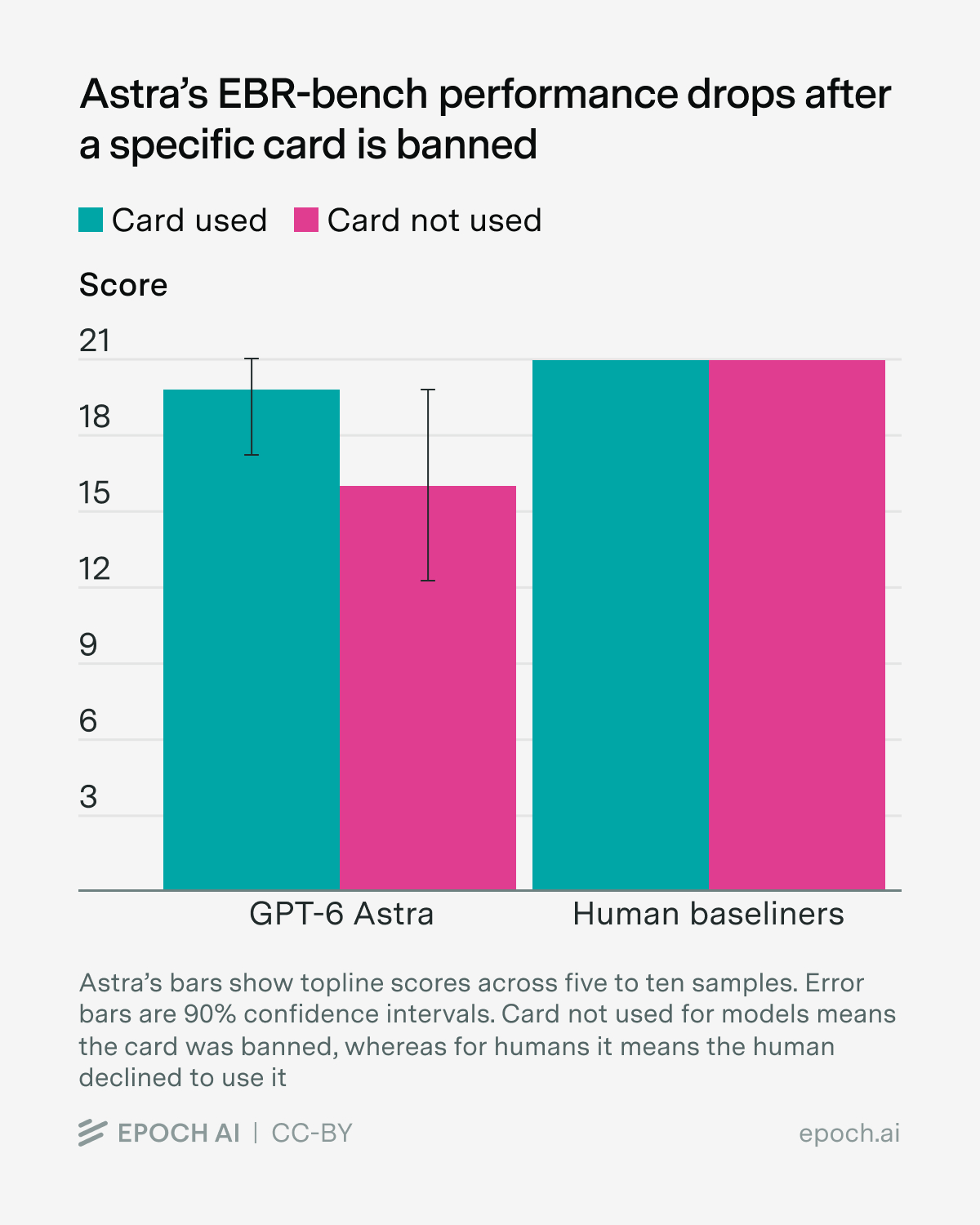
Updates on EBR-bench, Epoch AI’s benchmark that tests models’ ability to learn from experience. GPT-6 Astra hit a perfect score on over half its EBR-bench attempts by exploiting one overpowered card, which we now ban. Plus multi-agent scaffold results.

Early evidence from InnovationEval: No
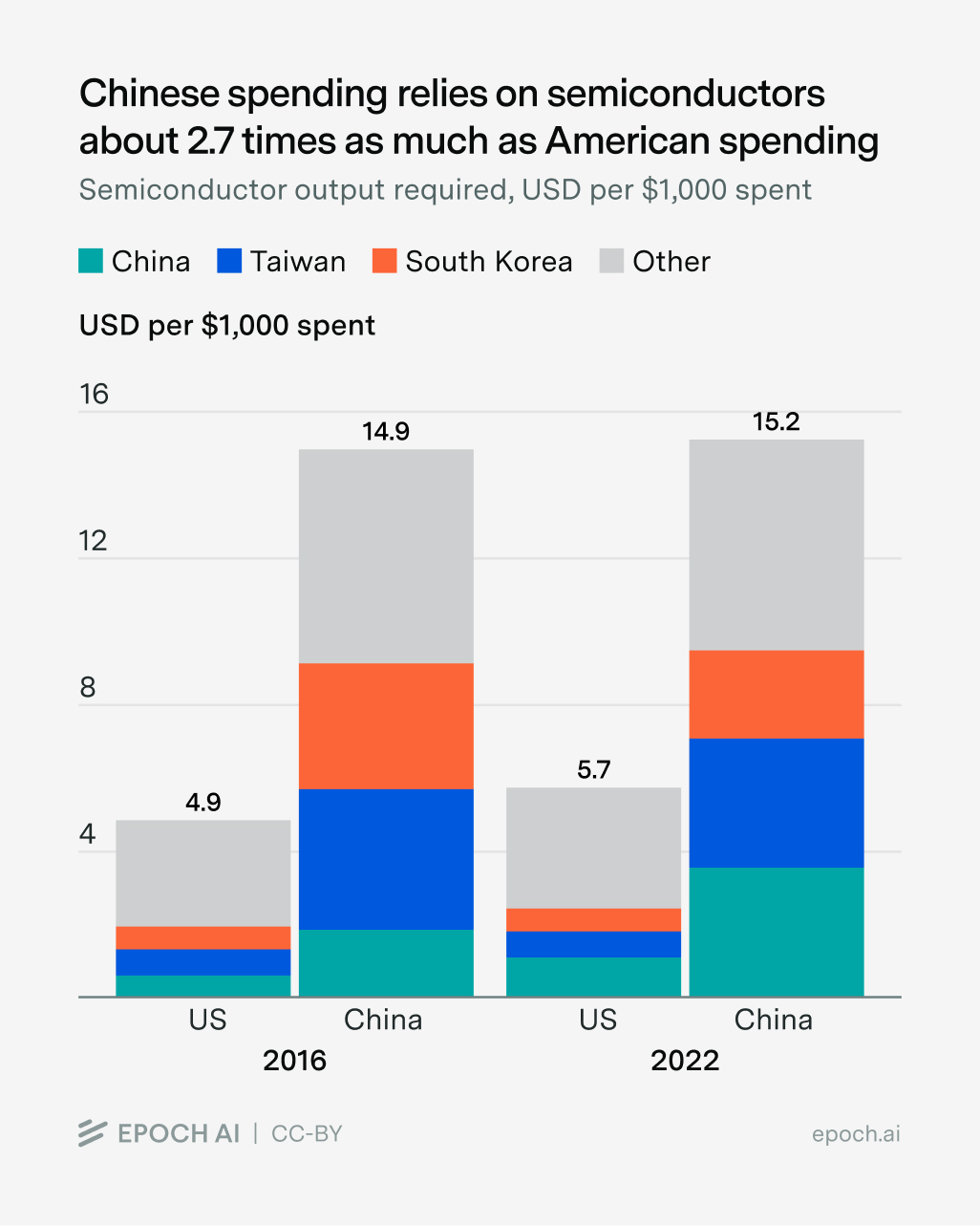
China is 2.7× as exposed to semiconductor supply shocks as the US, Epoch AI estimates. Epoch traces chips through input-output tables to model the impact of a Taiwan shock and decoupling.
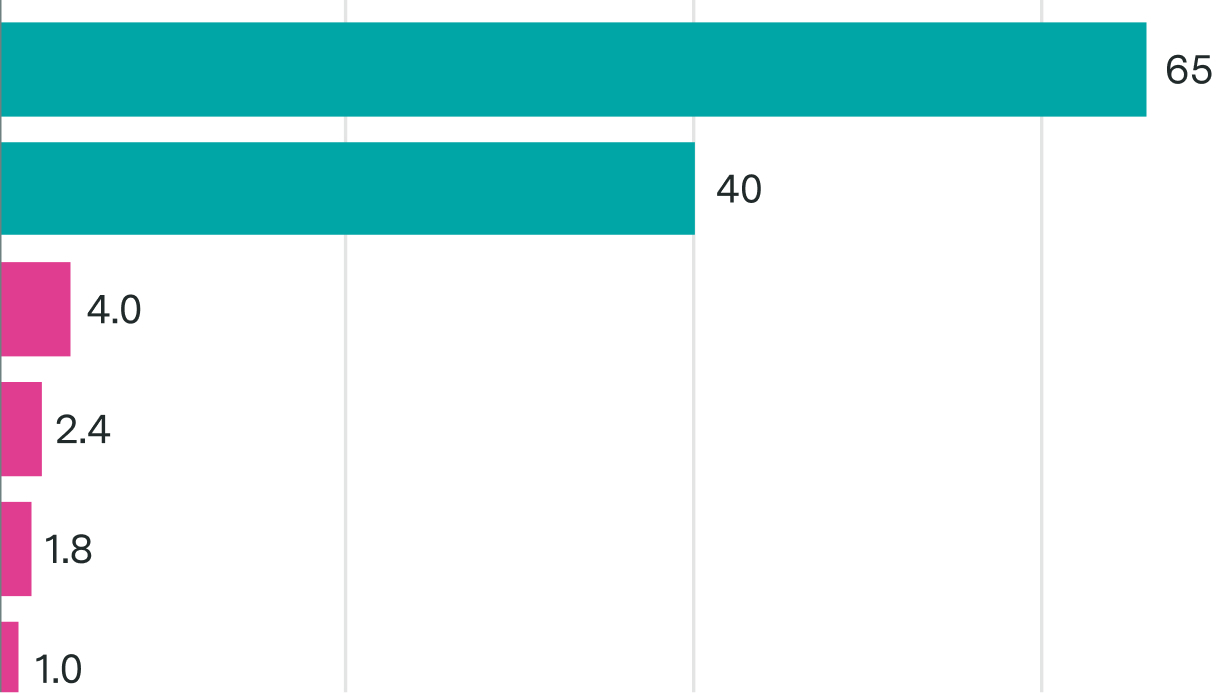
China's six leading AI firms earn about 10% of OpenAI and Anthropic's combined AI revenue. Epoch AI examines their five revenue streams: consumer apps, model access, enterprise and government solutions, licensing fees, and indirect monetization through cloud and advertising.
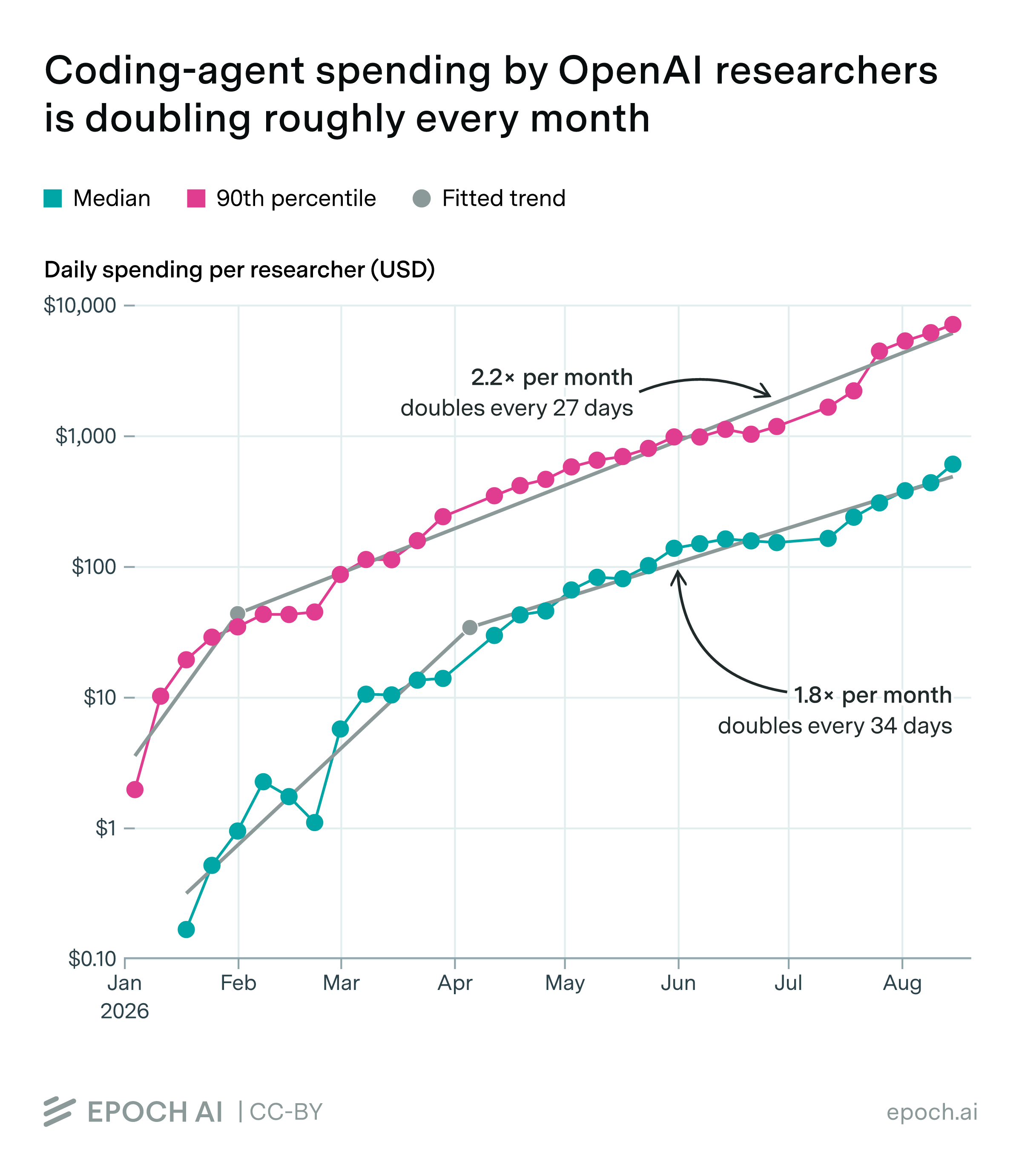
OpenAI researchers’ coding-agent usage, valued at API prices, has recently been doubling roughly every month, according to breakpoint fits.
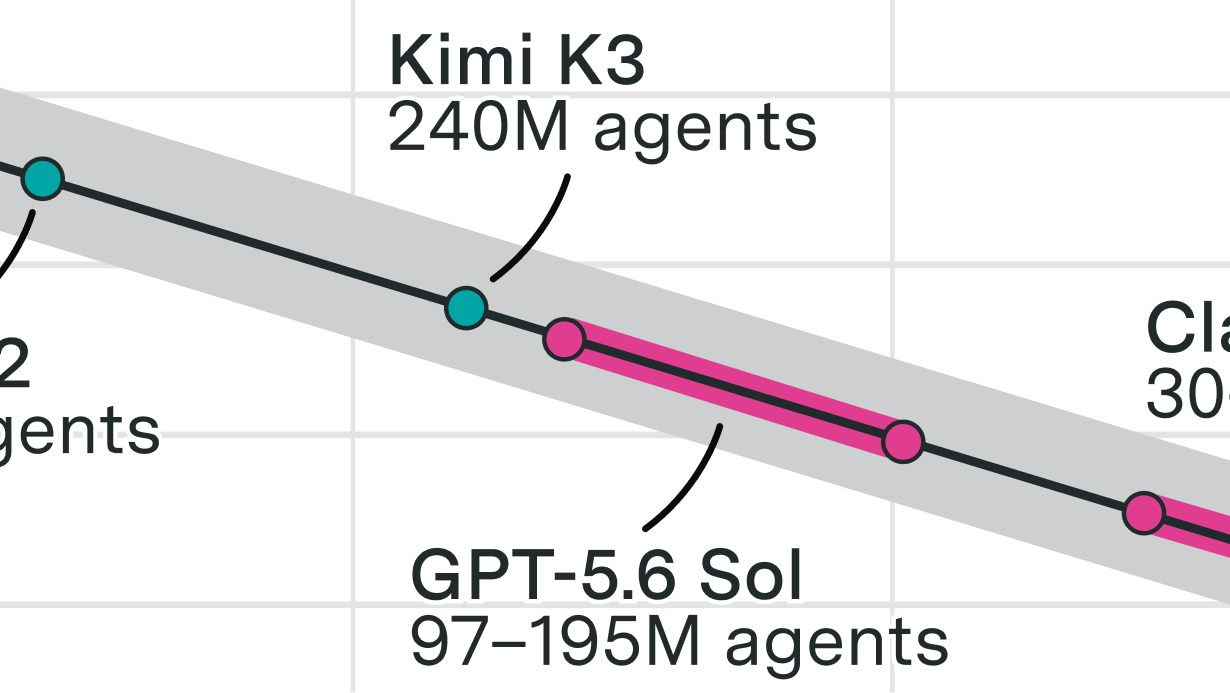
Memory shipped through 2027 could run 33–171 million concurrent frontier-model agents, or billions using efficient open models. Epoch AI estimates inference capacity from HBM supply, serving benchmarks, and agent-hour costs.