Ben Cottier is a senior researcher at Epoch AI. He leads the Frontier Data Centers project. Besides data centers, Ben is interested in AI cost trends and the diffusion of AI capabilities. He previously worked as a software engineer, and has a masters degree in AI from the University of Edinburgh.

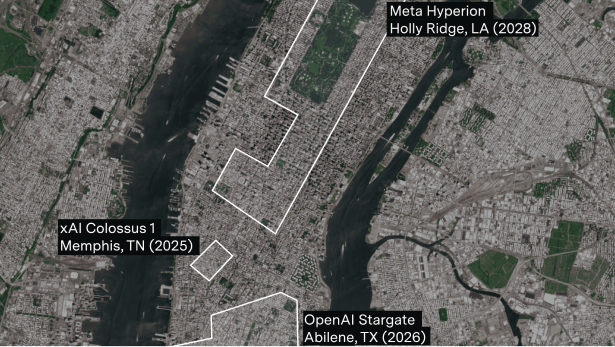
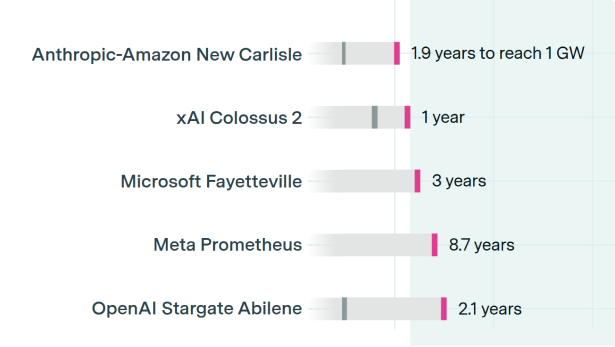
The $500 billion AI data center initiative is projected to exceed 9 gigawatts of capacity by 2029, with 0.3 gigawatts already operational in Abilene and six more US sites under active construction.


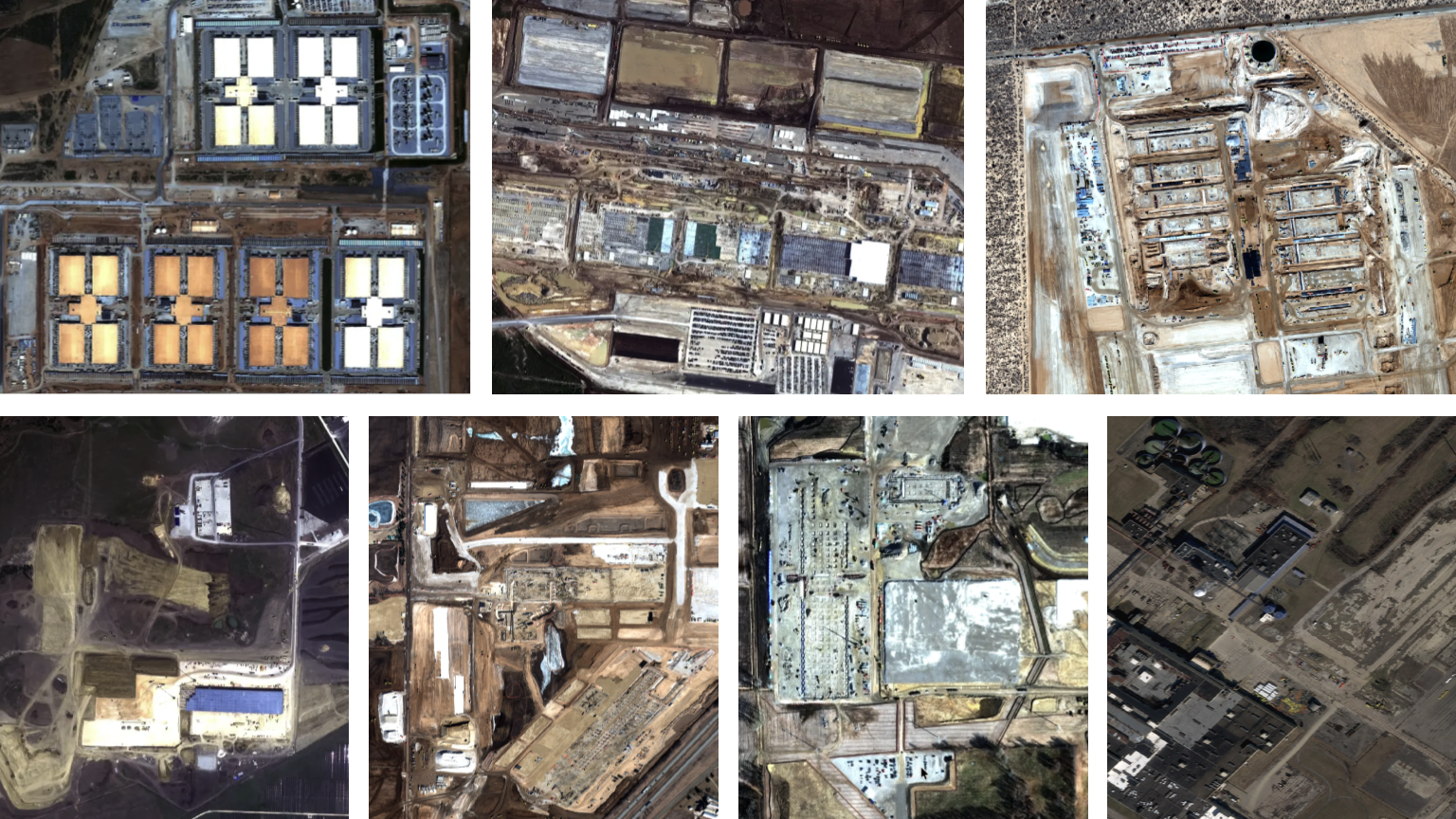
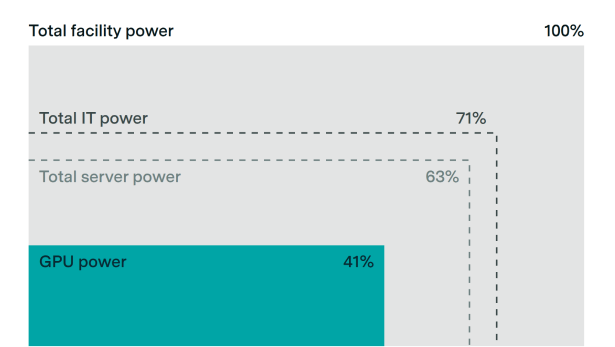
AI companies are planning a buildout of data centers that will rank among the largest infrastructure projects in history. We examine their power demands, what makes AI data centers special, and what all this means for AI policy and the future of AI.


We project how many notable AI models will exceed training compute thresholds, with results accessible in an interactive tool. Model counts rapidly increase from 10 above 1e26 FLOP by 2026, to over 200 by 2030.


We compare open and closed AI models, and study how openness has evolved. The best open model today is on par with closed models in performance and training compute, but with a lag of about one year.

We investigate the scalability of AI training runs. We identify electric power, chip manufacturing, data and latency as constraints. We conclude that 2e29 FLOP training runs will likely be feasible by 2030.


The cost of training frontier AI models has grown by a factor of 2 to 3x per year for the past eight years, suggesting that the largest models will cost over a billion dollars by 2027.

Industry emerged as a driving force in AI, but which companies are steering the field? We compare leading AI companies on research impact, training runs, and contributions to algorithmic innovations.

We combine the Direct Approach framework with simple models of progress in algorithms, investment, and compute costs to produce a user-adjustable forecast of when TAI will be achieved.

I combine training compute and GPU price-performance data to estimate the cost of compute in US dollars for the final training run of 124 machine learning systems published between 2009 and 2022, and find that the cost has grown by approximately 0.5 orders of magnitude per year.