
Yafah Edelman

Yafah Edelman

Yafah Edelman is the Chief Strategy Officer at Epoch AI. She is interested in understanding and measuring the inputs that allow AI to scale.

yafah@epoch.ai

Filter

Topic
Type

By Yafah Edelman

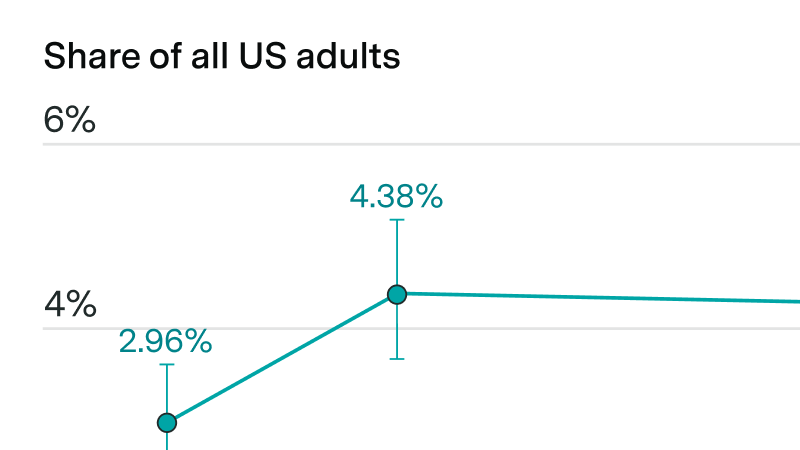
US adults are no more likely to face cyber incidents than when Claude Fable 5 launched
Data Insight
Oct. 7, 2026
US adults are no more likely to face cyber incidents than when Claude Fable 5 launched

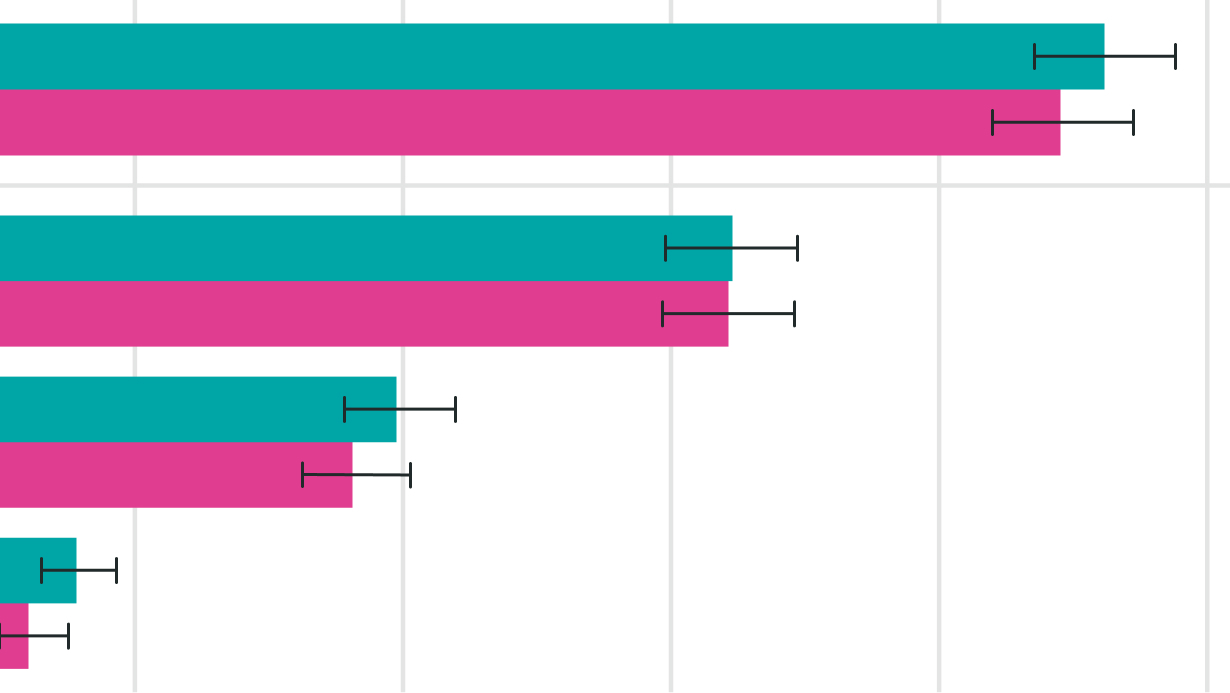
June and September polls from Epoch AI/Ipsos show no detectable increase in the share of US adults experiencing cyber incidents
By Caroline Falkman Olsson and Yafah Edelman

Coding-agent spending by OpenAI researchers is doubling roughly every month
Data Insight
Oct. 5, 2026
Coding-agent spending by OpenAI researchers is doubling roughly every month

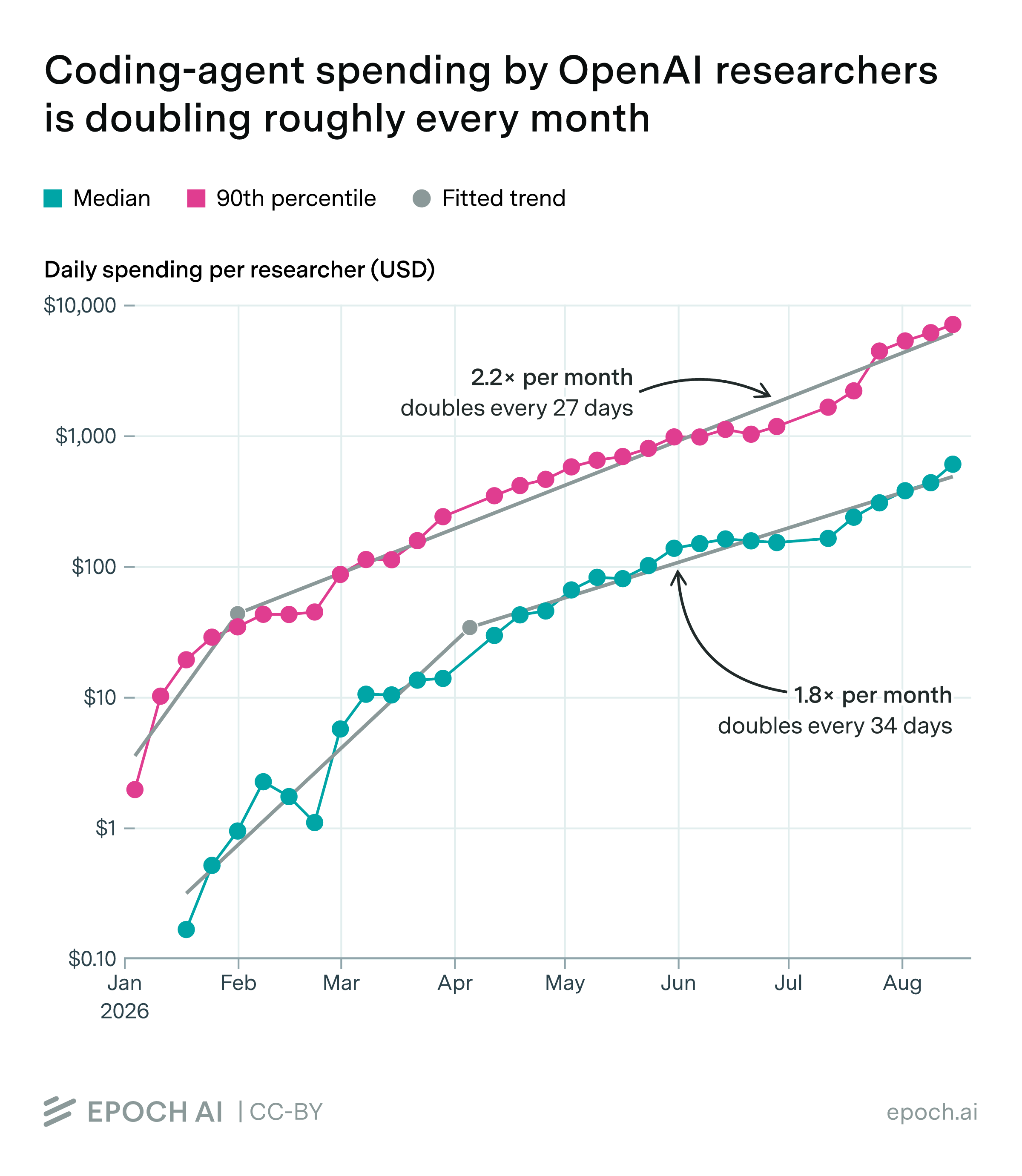
OpenAI researchers’ coding-agent usage, valued at API prices, has recently been doubling roughly every month, according to breakpoint fits.
By Yafah Edelman and Luke Emberson

Introducing the ChatGPT usage explorer
Update
Oct. 1, 2026
Introducing the ChatGPT usage explorer

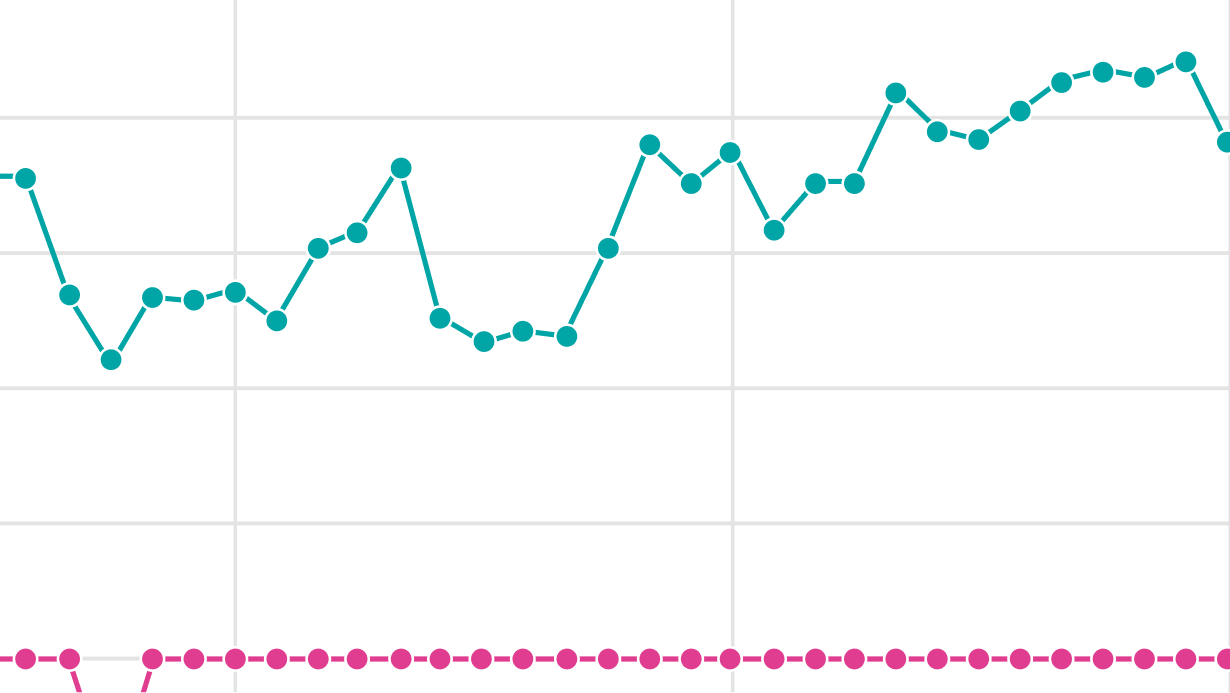
Median monthly messages per active user rose from 14 in 2023 to 36 in 2025, and the top 10% of users sent 63% of all prompts. Epoch AI's ChatGPT usage explorer draws on 8.3 million messages from 5,000 US YouGov panelists.
By Amreeta Das, Yafah Edelman, and Caroline Falkman Olsson

Near-daily AI use among US adults has more than doubled in six months
Data Insight
Sep. 14, 2026
Near-daily AI use among US adults has more than doubled in six months

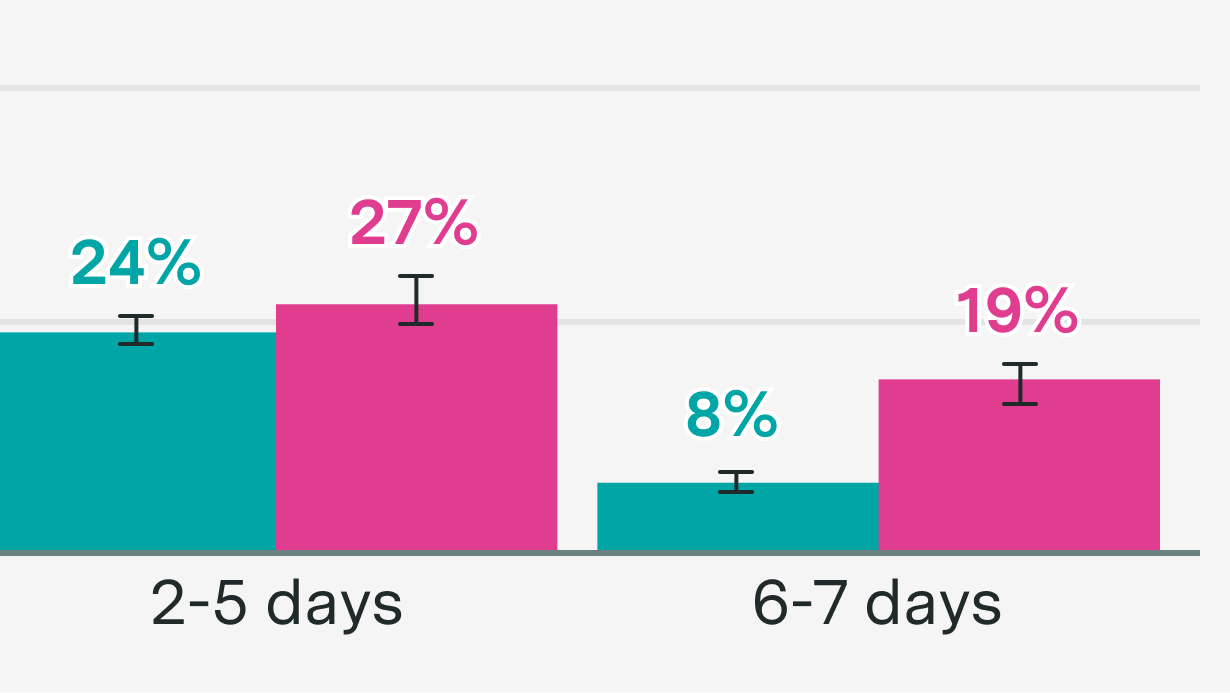
The share of US adults using AI at least 6 days a week rose from 8% in March 2026 to 19% in August 2026, according to Epoch AI/Ipsos polling.

By Amreeta Das, Caroline Falkman Olsson, and Yafah Edelman

One in five US workers now delegates tasks to AI instead of other humans
Report
Aug. 6, 2026
One in five US workers now delegates tasks to AI instead of other humans

One in five US workers say AI now does work they once handed to a coworker or contractor, per a new Epoch AI/Ipsos survey of 1,106 employed adults.
By Caroline Falkman Olsson, Yafah Edelman, and Amreeta Das

Claude usage rose by over 40% amid increased attention but remains far behind ChatGPT
Data Insight
Apr. 15, 2026
Claude usage rose by over 40% amid increased attention but remains far behind ChatGPT

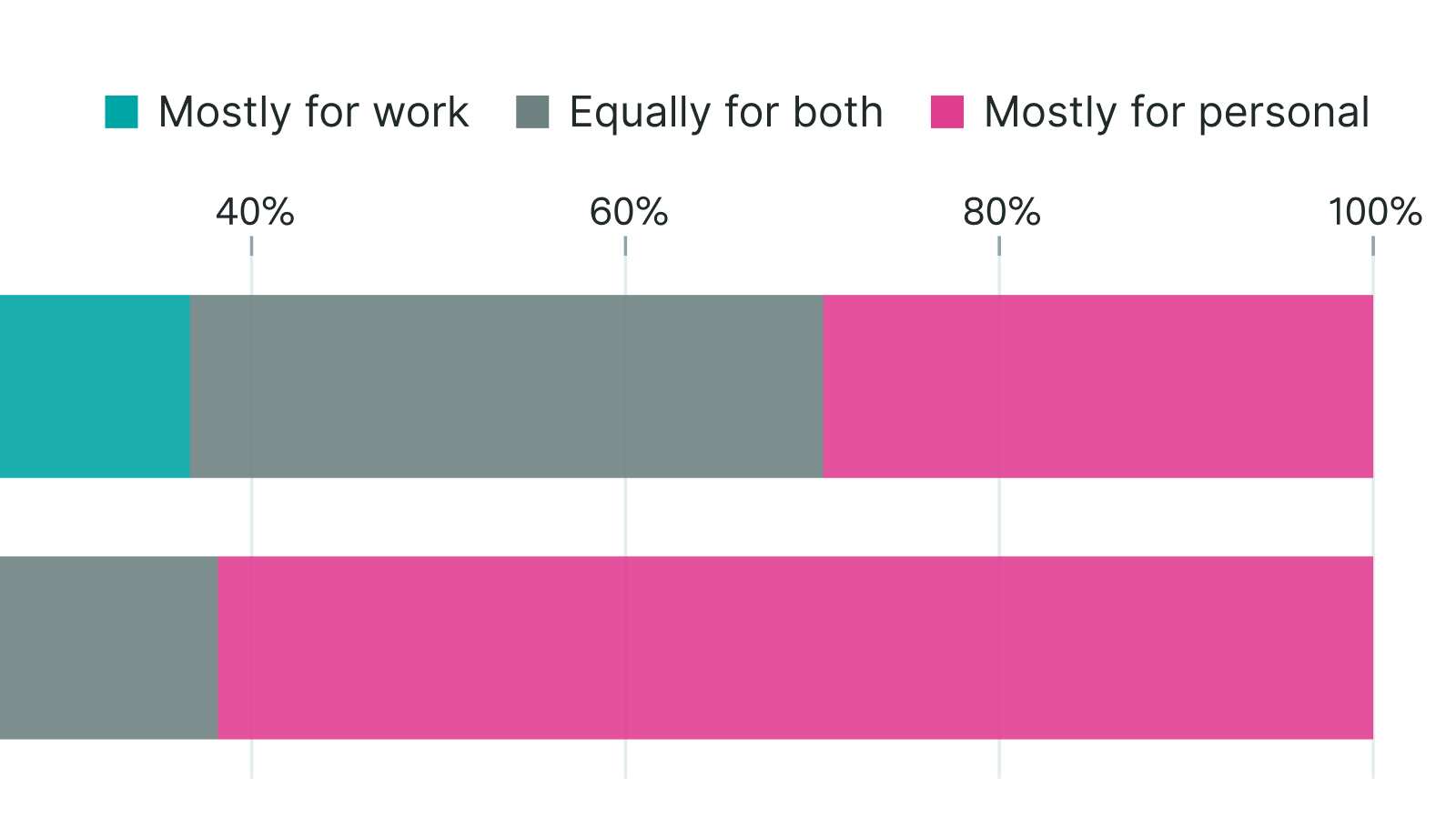
Claude was the only AI tool to show significant usage growth across three Epoch AI/Ipsos survey waves in March-April 2026.
By Yafah Edelman, Caroline Falkman Olsson, and Jaeho Lee

AI is a common workplace tool: Half of employed AI users now use it for work
Report
Apr. 9, 2026
AI is a common workplace tool: Half of employed AI users now use it for work

We surveyed over 2,000 Americans on how they use AI at work: who uses it, how much, which services, and whether it's replacing or creating tasks.
By Caroline Falkman Olsson and Yafah Edelman

Anthropic could surpass OpenAI in annualized revenue by mid-2026
Data Insight
Feb. 19, 2026
Anthropic could surpass OpenAI in annualized revenue by mid-2026

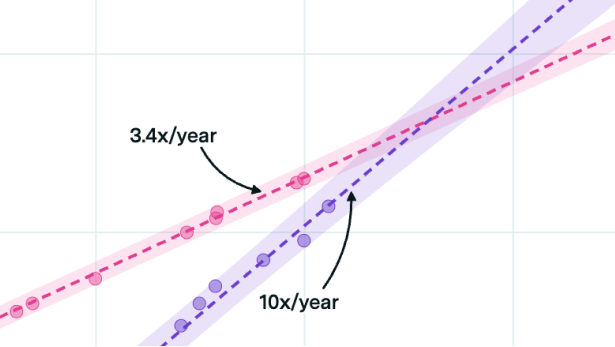
Anthropic's annualized revenue has been growing at 10× per year since reaching $1B, outpacing OpenAI's growth of 3.4× per year. Anthropic will pass OpenAI by mid-2026 if these trends continue. However, Anthropic's growth may be slowing—since July 2025 it has only grown at a rate of 7× per year.
By Luke Emberson and Yafah Edelman

Compute accounts for the majority of expenses of AI companies
Data Insight
Feb. 4, 2026
Compute accounts for the majority of expenses of AI companies

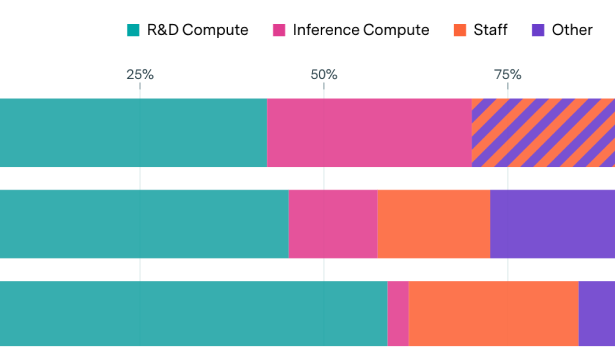
Across three AI companies where we can make estimates, compute is the dominant expense: R&D and inference compute together make up 54% to 62% of costs. Despite AI labs offering some of the highest salaries in tech, spending on staff accounts for less than 25% of total spending.
By Luke Emberson and Yafah Edelman

Benchmark scores are well correlated, even across domains
Data Insight
Jan. 23, 2026
Benchmark scores are well correlated, even across domains

Model rankings are remarkably consistent across most AI benchmarks. Across 16 benchmarks with at least 10 models overlapping, the median pairwise correlation is 0.79. Almost 75% of benchmark pairs have correlations above 0.6.

By Luke Emberson and Yafah Edelman