Featured
Report
Aug. 20, 2024

Report
Sep. 16, 2025
Report
Feb. 10, 2026
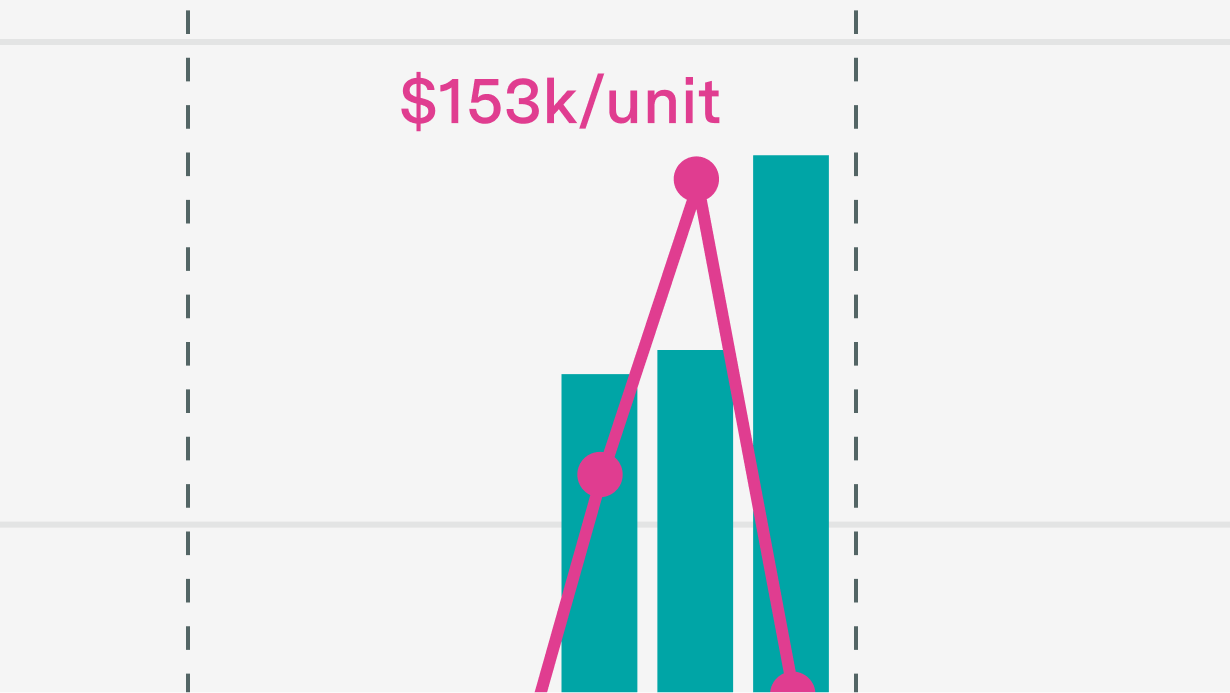
Epoch AI's analysis of trade data finds a pattern consistent with $3B worth of chips smuggled to China via Malaysia. China recorded $3.8B of server imports from Malaysia in 2024–25; Malaysia recorded only $0.6B of exports.
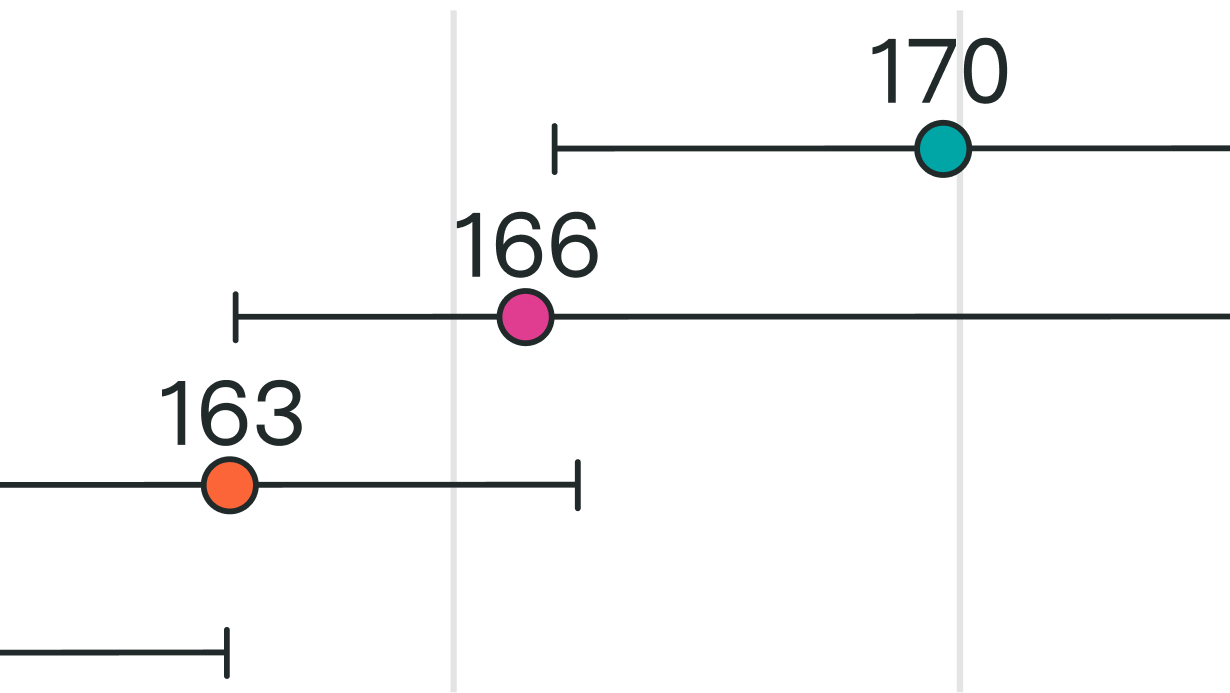
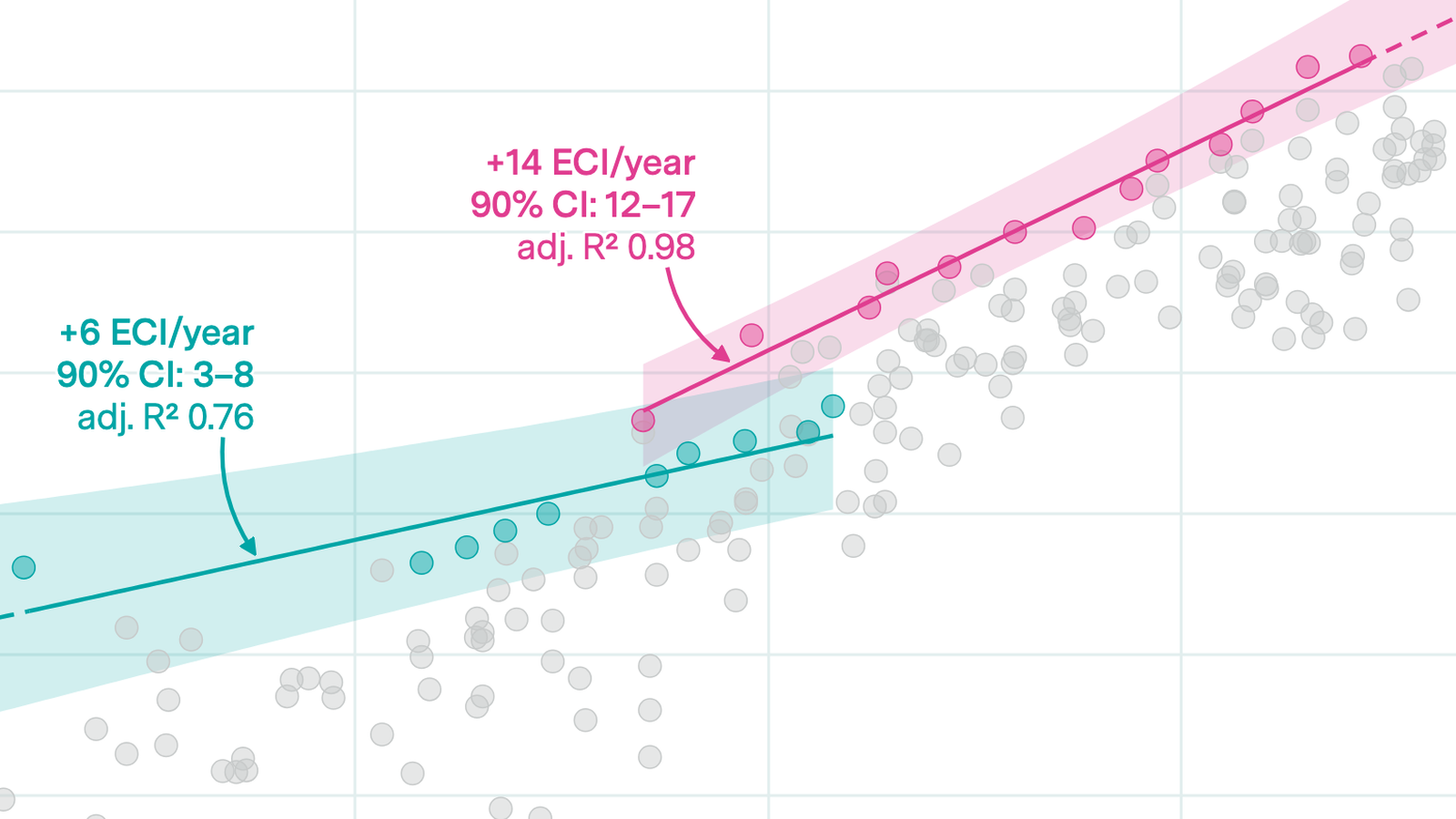
OpenAI's GPT-6 Astra tops the Epoch Capabilities Index (ECI) with a score of 166, ahead of Claude Fable 5.1 at 164 and GPT-5.6 Sol at 162. Its Math-ECI of 170 sets a new record, but on software engineering benchmarks its SWE-ECI of 164 still lags behind Fable 5.1's 167.
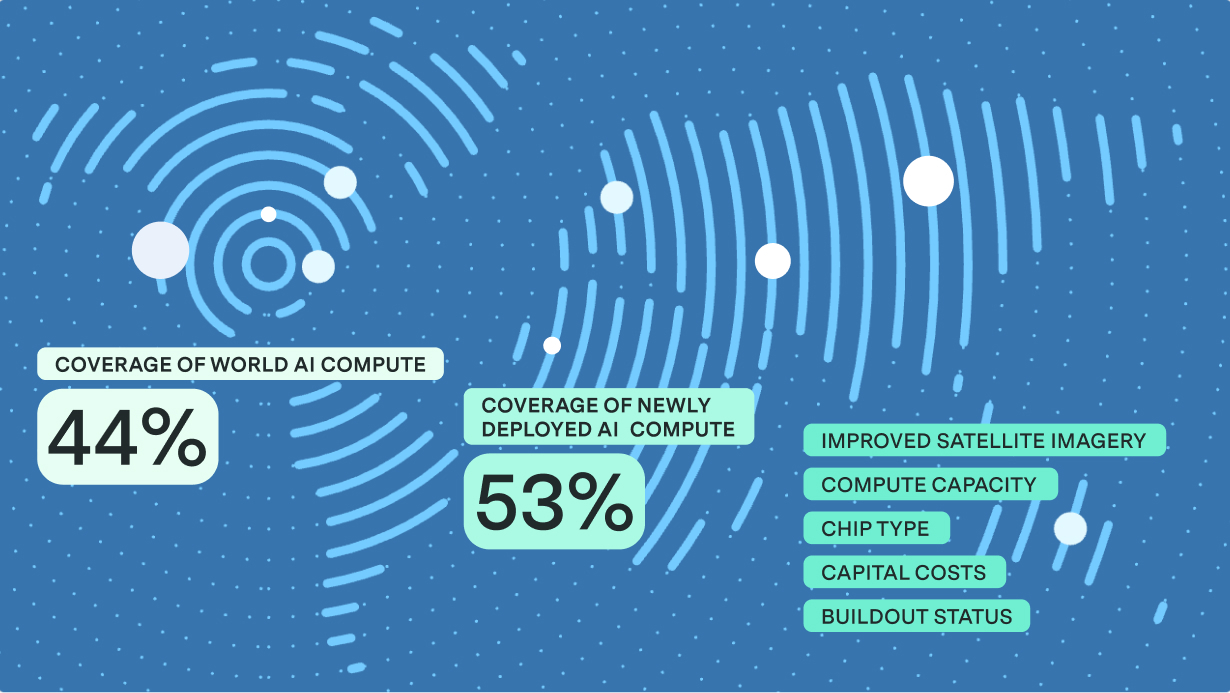
Epoch AI's AI Data Centers explorer now covers an estimated 44% of global AI compute across 86 sites, with a redesigned interface and expanding global coverage.
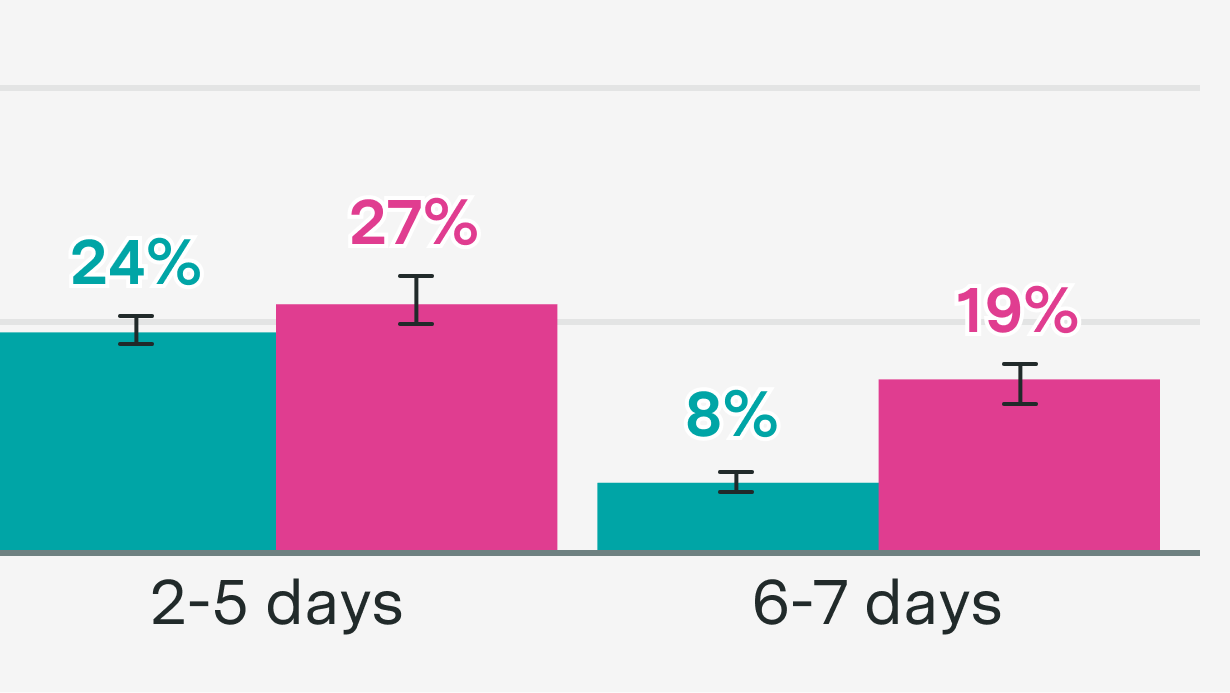
The share of US adults using AI at least 6 days a week rose from 8% in March 2026 to 19% in August 2026, according to Epoch AI/Ipsos polling.

A first look at Epoch AI's data on compute usage across five leading labs.
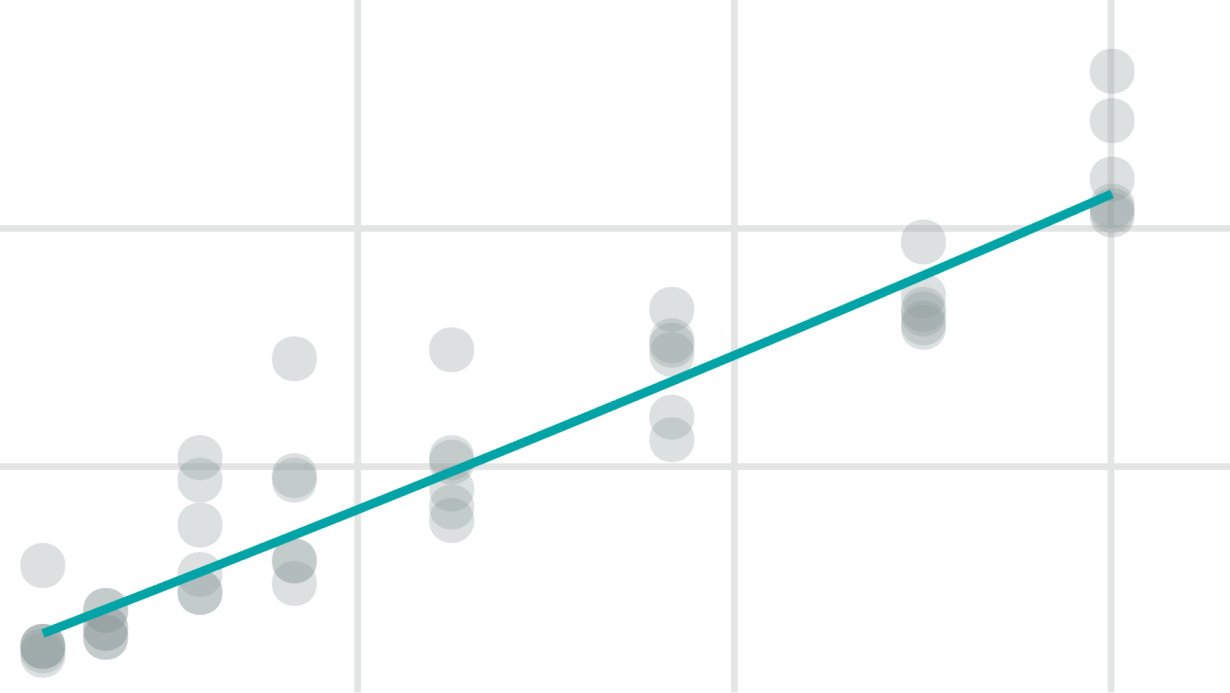
Epoch AI measures long-context latency scaling across four frontier models. GPT-5.6 Terra and Sol show quadratic time-to-first-token growth with context length, while Claude Sonnet 5 and Opus 5 stay near-linear.
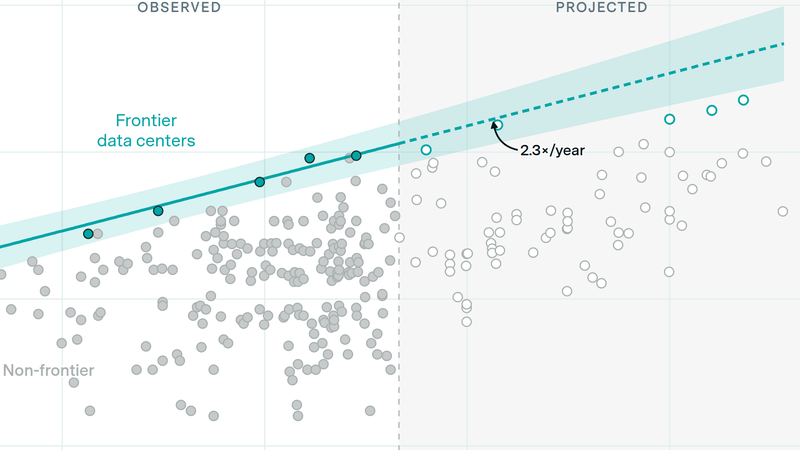
Since mid-2024, the record for the largest AI data center by IT power capacity has doubled every ten months. Epoch AI's analysis of frontier data center power trends through 2028.
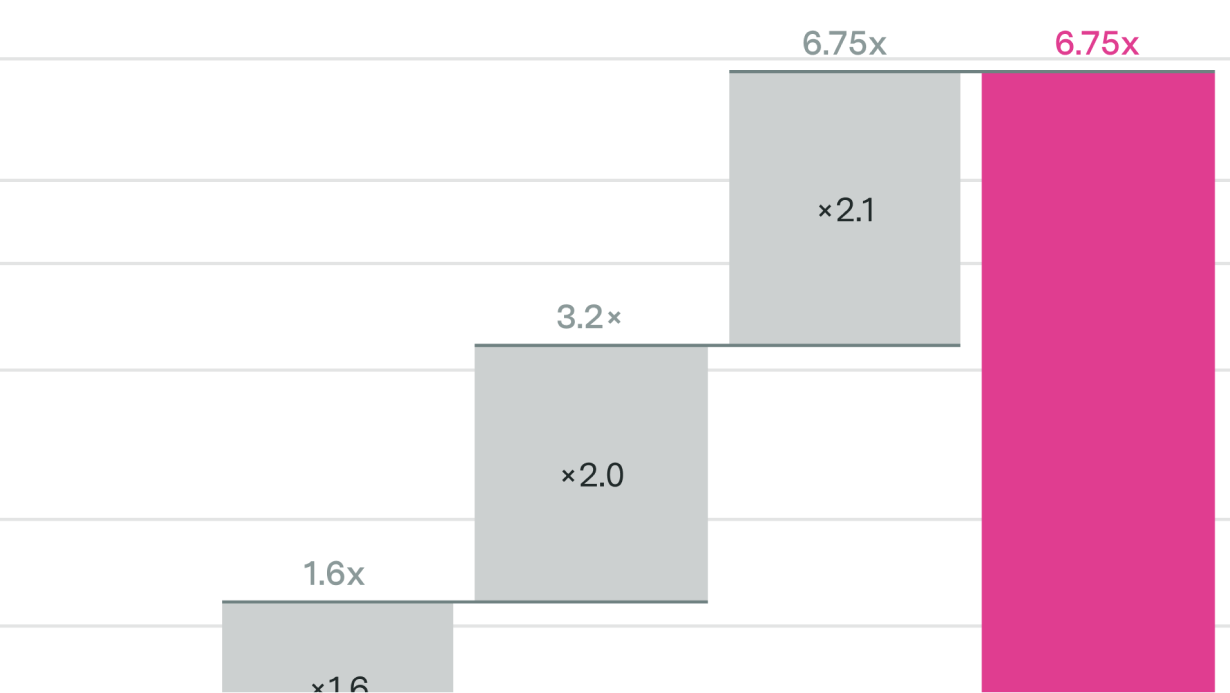
Huawei plans major gains in AI chip performance by 2030, but US export controls cap its most important scaling levers. Epoch AI estimates Huawei will produce less than 4% as much AI compute as Nvidia in 2026, a share that could be around 1% by 2028 without access to foreign memory.

A benchmark of 68 significant Erdős problems, open as of August 2026, curated by Thomas Bloom and formalized in Lean. AI systems must prove or disprove them within a fixed budget.